Concrete & Mortar Cure Time Calculator
Portland cement, mortar, and concrete mixes — hydration curing, minimum curing periods, and temperature effects.
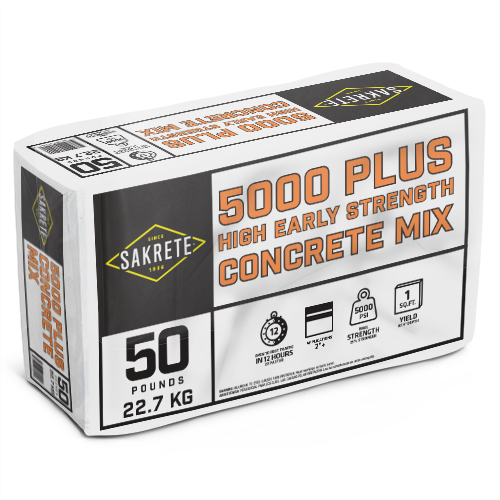
5000 Plus Concrete Mix
Sakrete
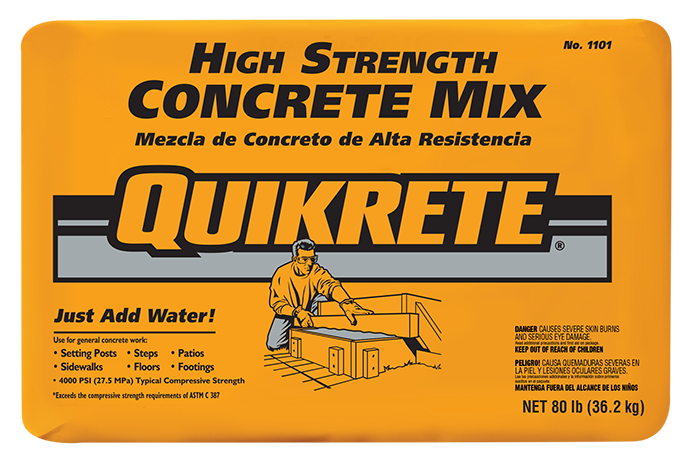
Concrete Mix
Quikrete
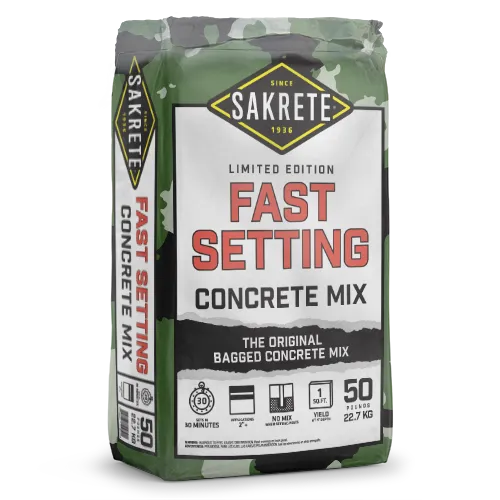
Fast Setting Concrete Mix
Sakrete
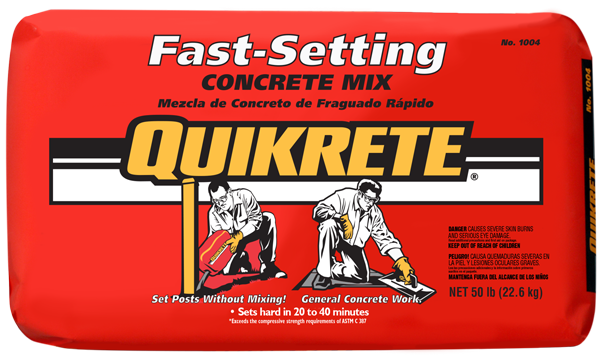
Fast-Setting Concrete Mix
Quikrete
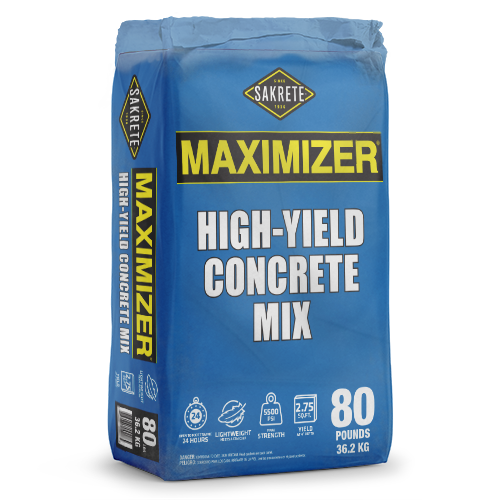
Maximizer Concrete Mix
Sakrete
Quick-Setting Cement
Quikrete
QUIKRETE 5000 Concrete Mix
Quikrete
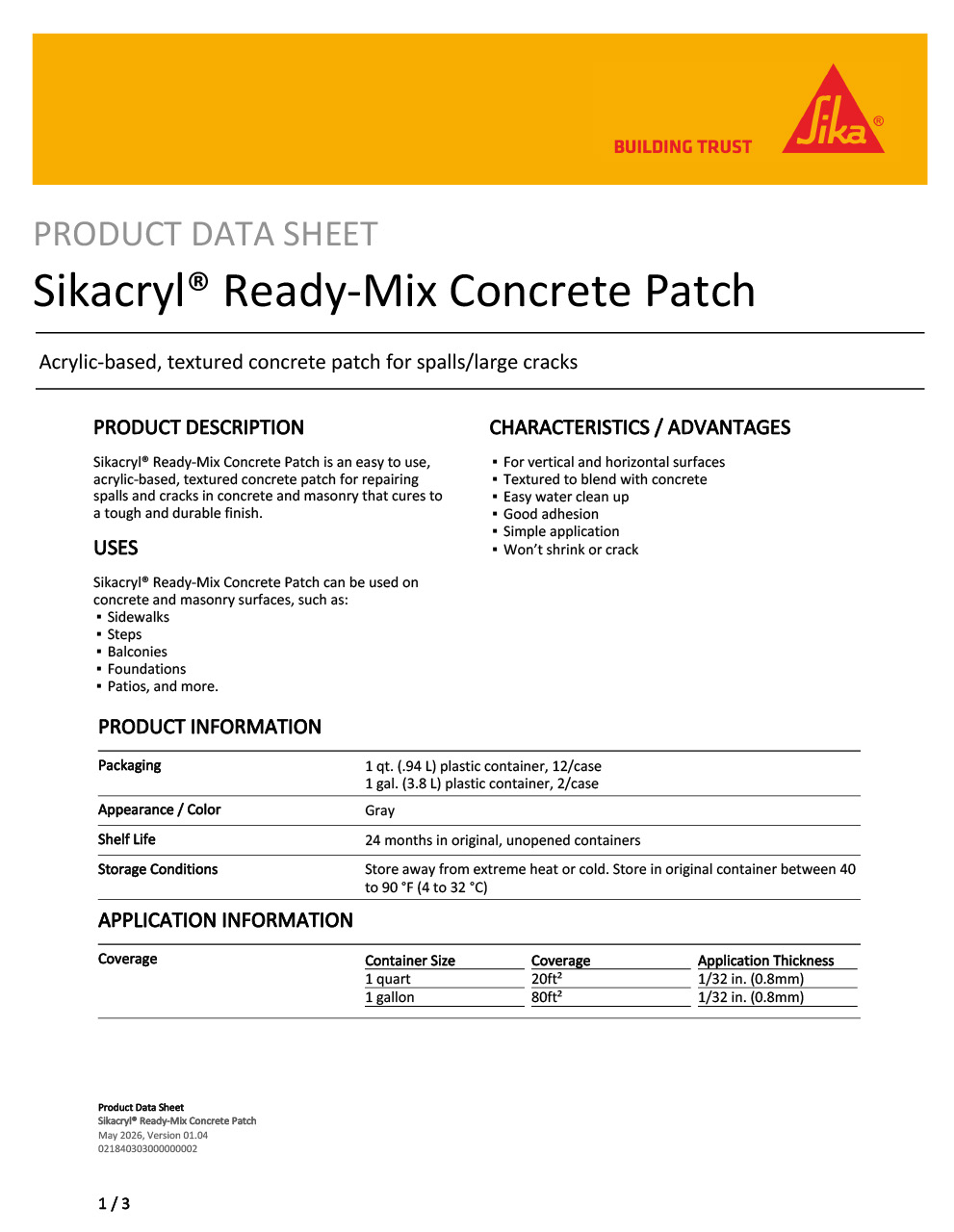
Sikacryl Ready-Mix Concrete Patch
Sika
How concrete & mortar cure times change in real conditions
Concrete and mortar curing is hydration, not ordinary drying. The mix needs moisture and time to gain strength, so fast surface drying can make the final repair weaker.
Cold concrete gains strength slowly and can be damaged by freezing. Hot, dry, or windy conditions can pull water out too quickly and cause shrinkage or weak surfaces.
Unlike many adhesives, concrete benefits from retained moisture during early cure. Keeping the surface damp and protected helps cement hydration continue.
Best uses for this calculator
- - Concrete mix, fast-setting concrete, high-strength mixes, mortar, patch, and masonry repair planning.
- - Estimating safe handling time versus longer strength-gain milestones.
- - Checking cold-weather or hot-weather risk before pouring or patching.
When to add extra safety margin
- - Initial set, walk-on time, and design strength are not the same thing.
- - Structural or load-bearing concrete work needs code-compliant design and testing.
- - Fresh concrete should be protected from freezing, rapid drying, and early heavy loads.
Popular concrete & mortar pages to check next
Product cure calculators
Does concrete cure by drying?
No. Concrete cures through hydration, a chemical reaction with water. Drying out too soon can stop strength gain and leave the surface weak.
When is concrete fully cured?
Many mixes use 28 days as a common design-strength reference, but set time, handling time, and safe loading depend on the exact product and conditions.