Epoxy Cure Time Calculator
Two-part structural and laminating epoxies — amine blush risks, Q10 scaling, and pot-life at your conditions.
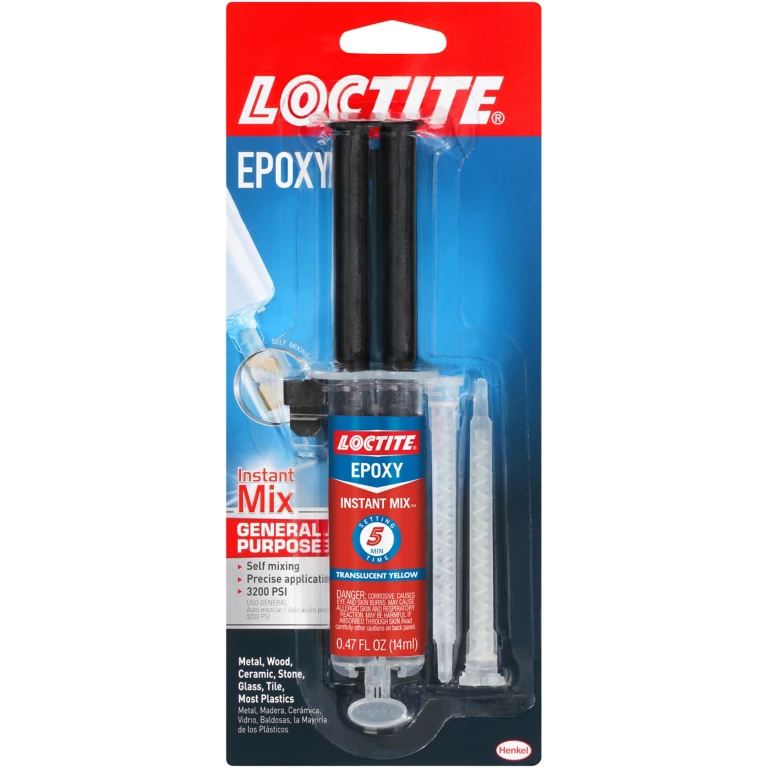
Epoxy Instant Mix 5 Minute
Loctite · epoxy
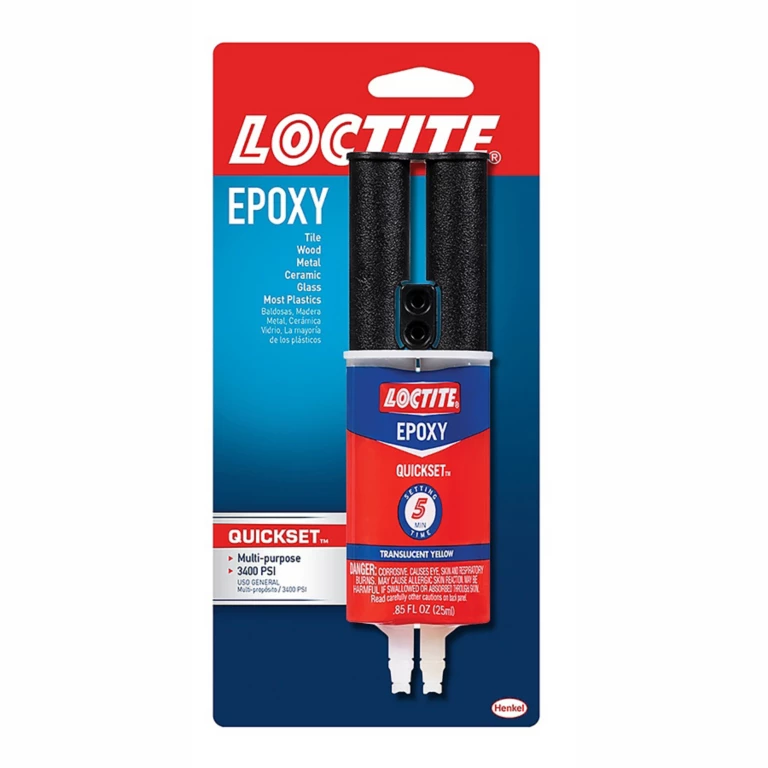
Epoxy Quick Set
Loctite · epoxy

Epoxy Weld Bonding Compound
Loctite · epoxy
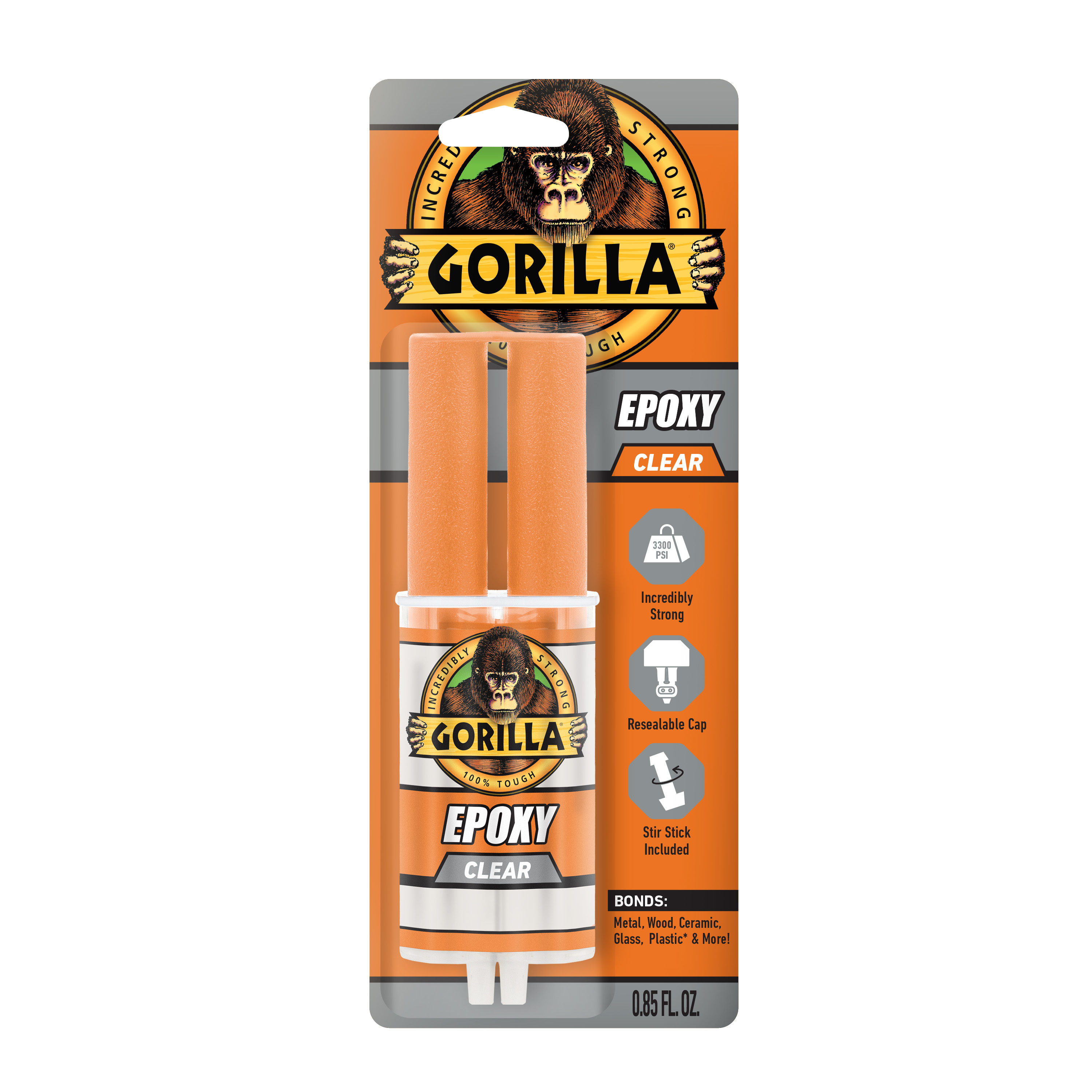
Gorilla Epoxy
Gorilla Glue · epoxy
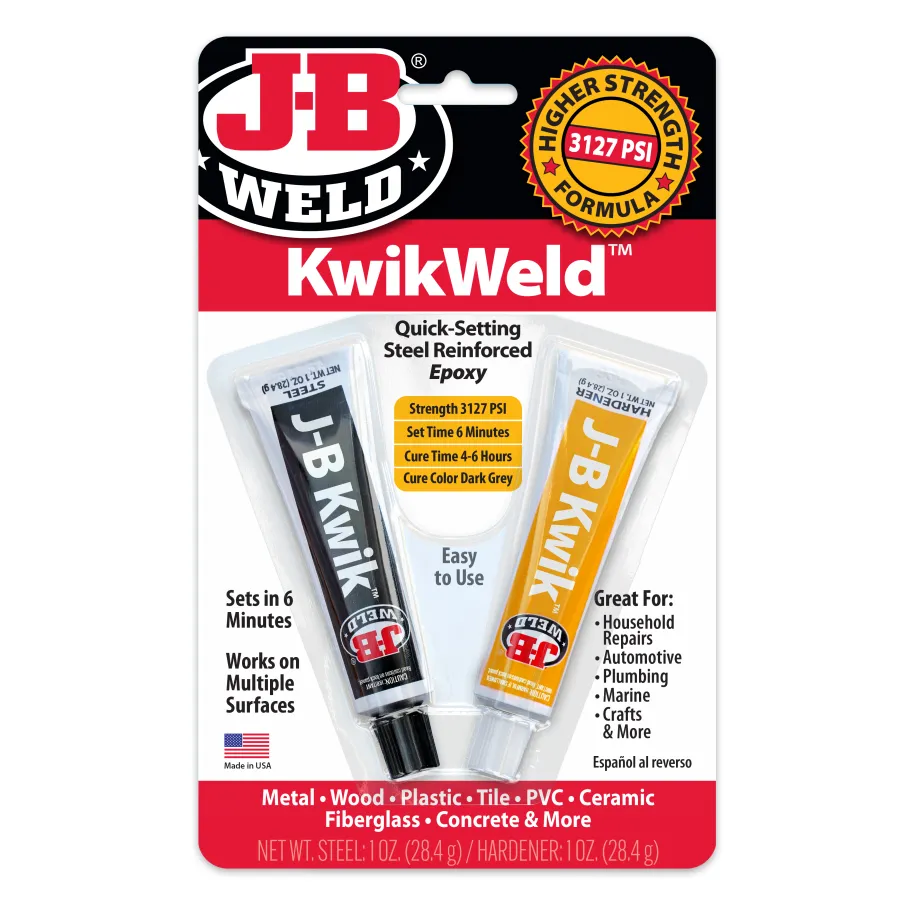
KwikWeld Twin Tube
J-B Weld · epoxy
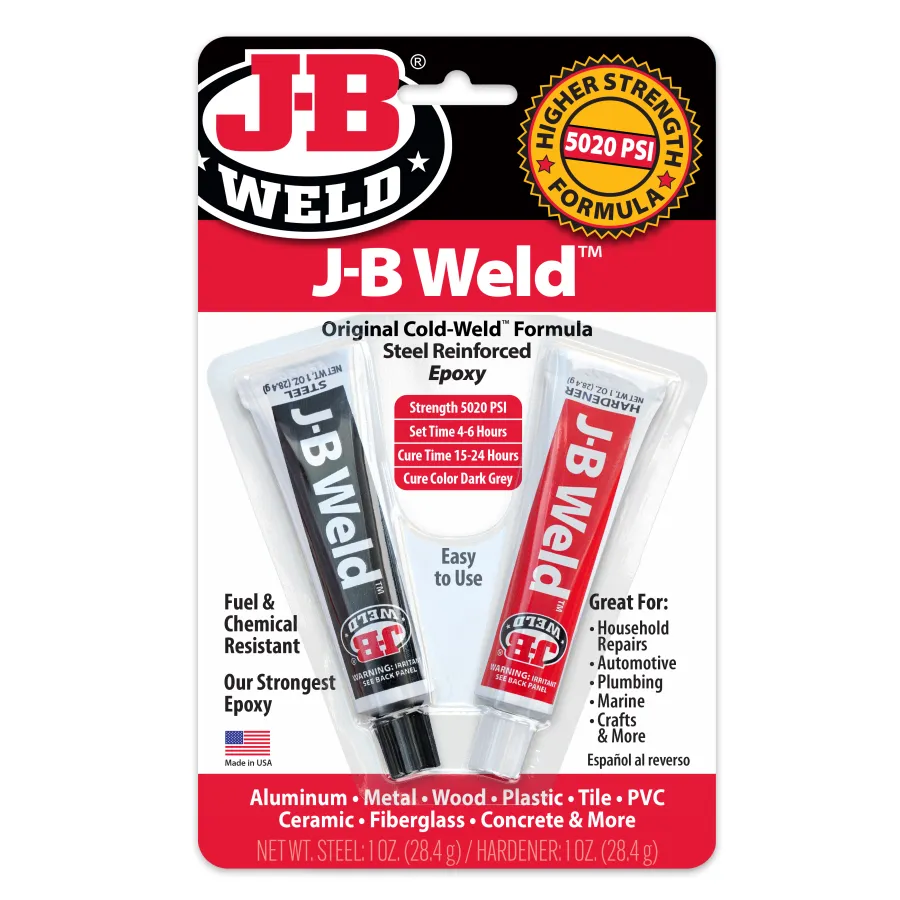
Original Cold-Weld Twin Tube
J-B Weld · epoxy
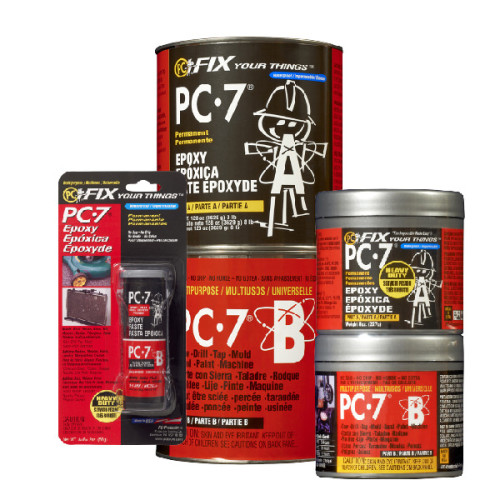
PC-7 Paste Epoxy
PC Products · epoxy
How epoxy cure times change in real conditions
Epoxy cure time is driven mainly by resin chemistry, hardener speed, mass, and temperature. Small repairs can cure slower than thick pours because they generate less heat.
Two-part epoxies generally slow sharply in cold conditions and can exotherm in large masses. Keep both the product and substrate inside the manufacturer temperature range.
Ambient humidity usually has less effect on the reaction rate than temperature, but some epoxies can form amine blush or surface contamination in humid, dew-point conditions.
Best uses for this calculator
- - Metal, glass, concrete, ceramic, and hard-plastic repairs where a two-part chemical cure is needed.
- - Comparing quick-set epoxies against slower structural products.
- - Checking whether cold temperatures may double or triple the working cure window.
When to add extra safety margin
- - Pot life, handling strength, and full cure are different milestones.
- - High humidity near the dew point can create amine blush on some epoxy systems.
- - Structural repairs need manufacturer guidance, surface prep, and real strength testing.
Popular epoxy pages to check next
Product cure calculators
Can I speed up epoxy cure with heat?
Usually, within the manufacturer temperature limits. Gentle warmth can speed cure, but excessive heat can shorten working time, cause bubbles, or weaken the repair.
Why is epoxy still soft after the label cure time?
Common causes include incorrect mix ratio, poor mixing, cold substrate temperature, expired material, or applying a large safety margin to a handling-time label claim.