Caulk & Sealant Cure Time Calculator
Silicone and acrylic latex sealants — skinning risk, optimal humidity range, and cure depth rates.
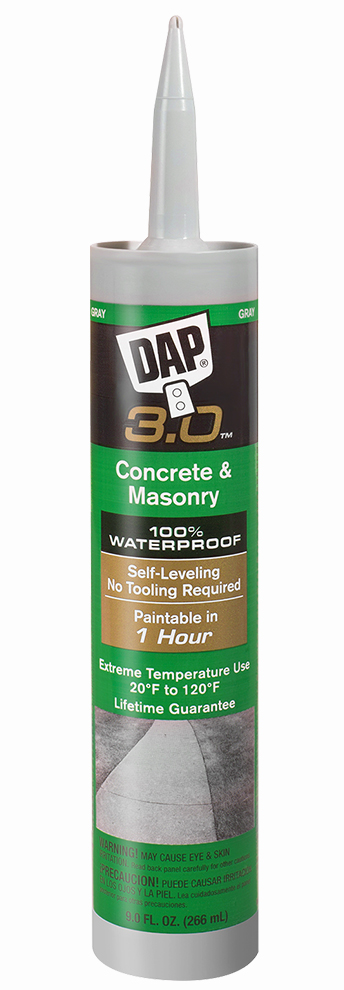
3.0 Self-Leveling Concrete & Masonry Sealant
DAP · hybrid polymer

Advanced Polymer Mortar Joint Sealant
Quikrete · hybrid polymer
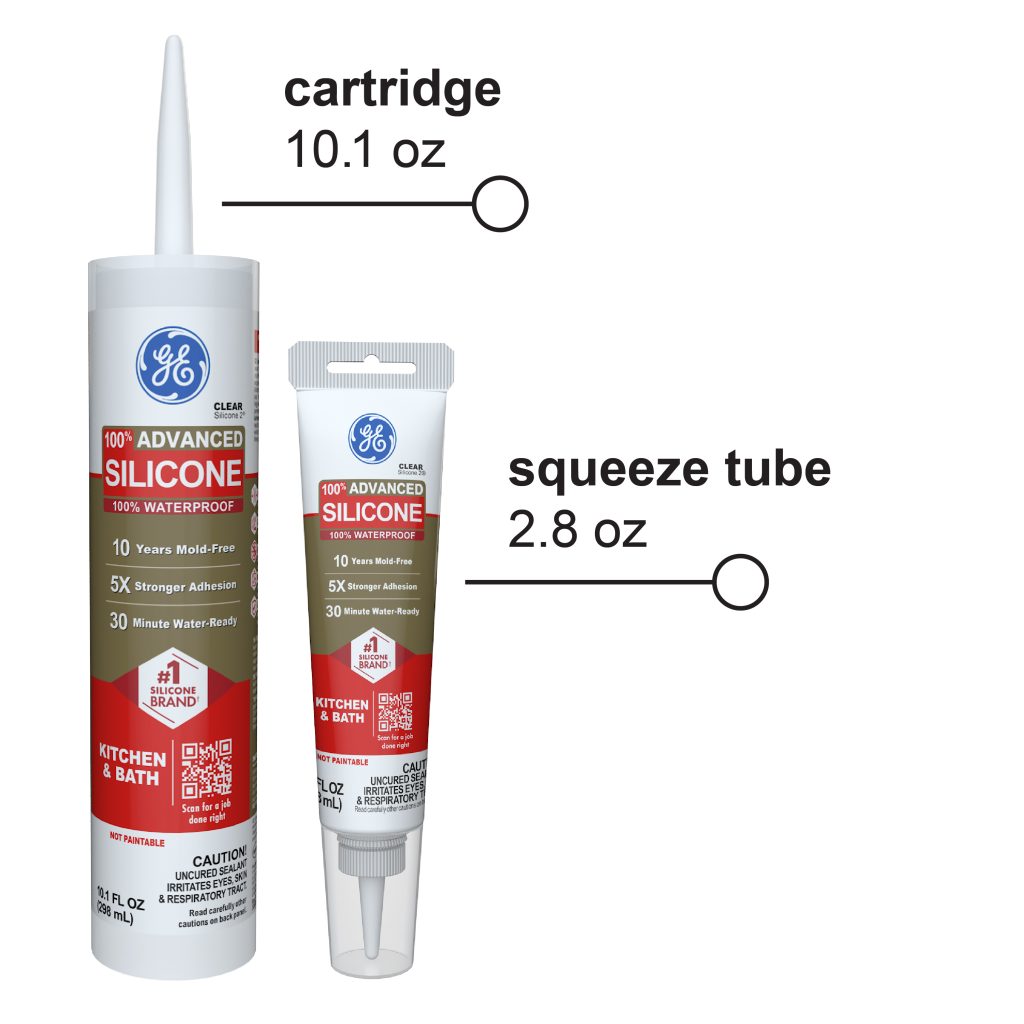
Advanced Silicone 2 Kitchen & Bath Sealant
GE · silicone
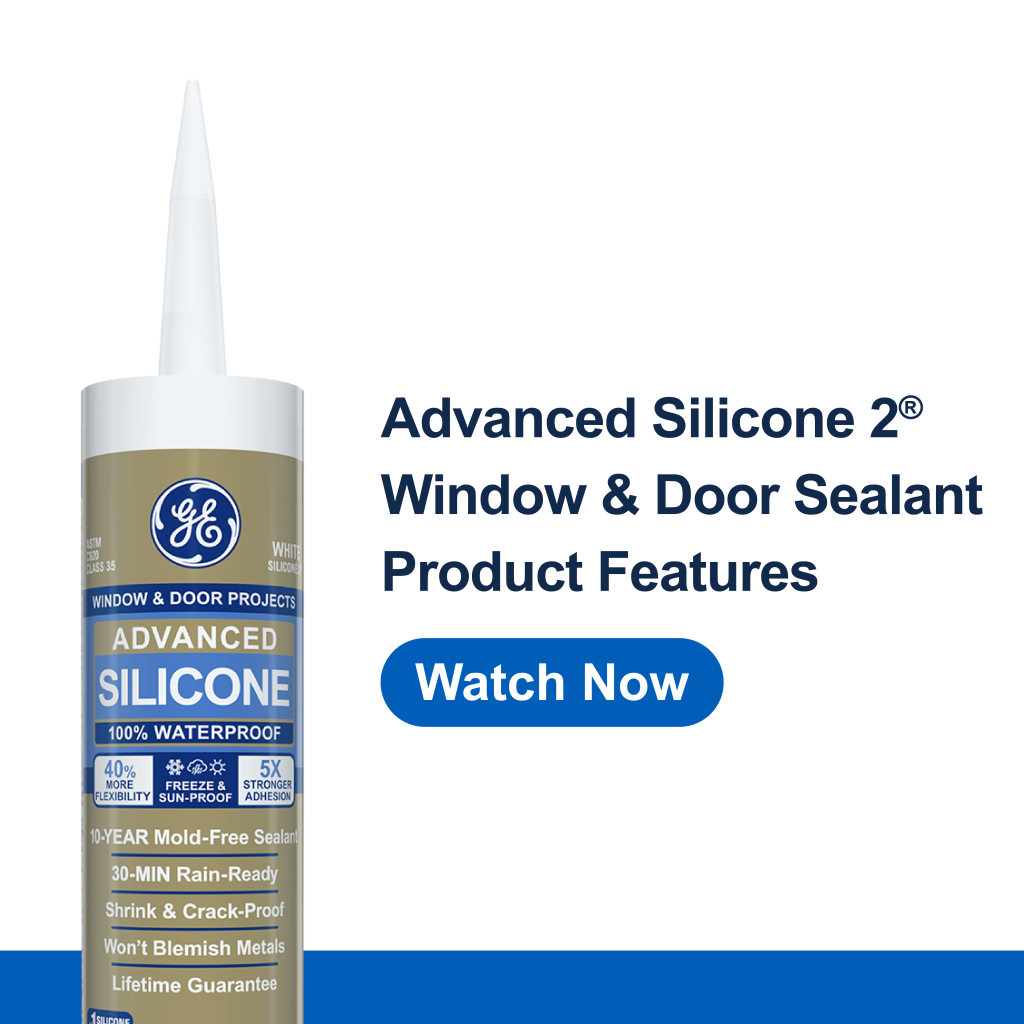
Advanced Silicone 2 Window & Door Sealant
GE · silicone
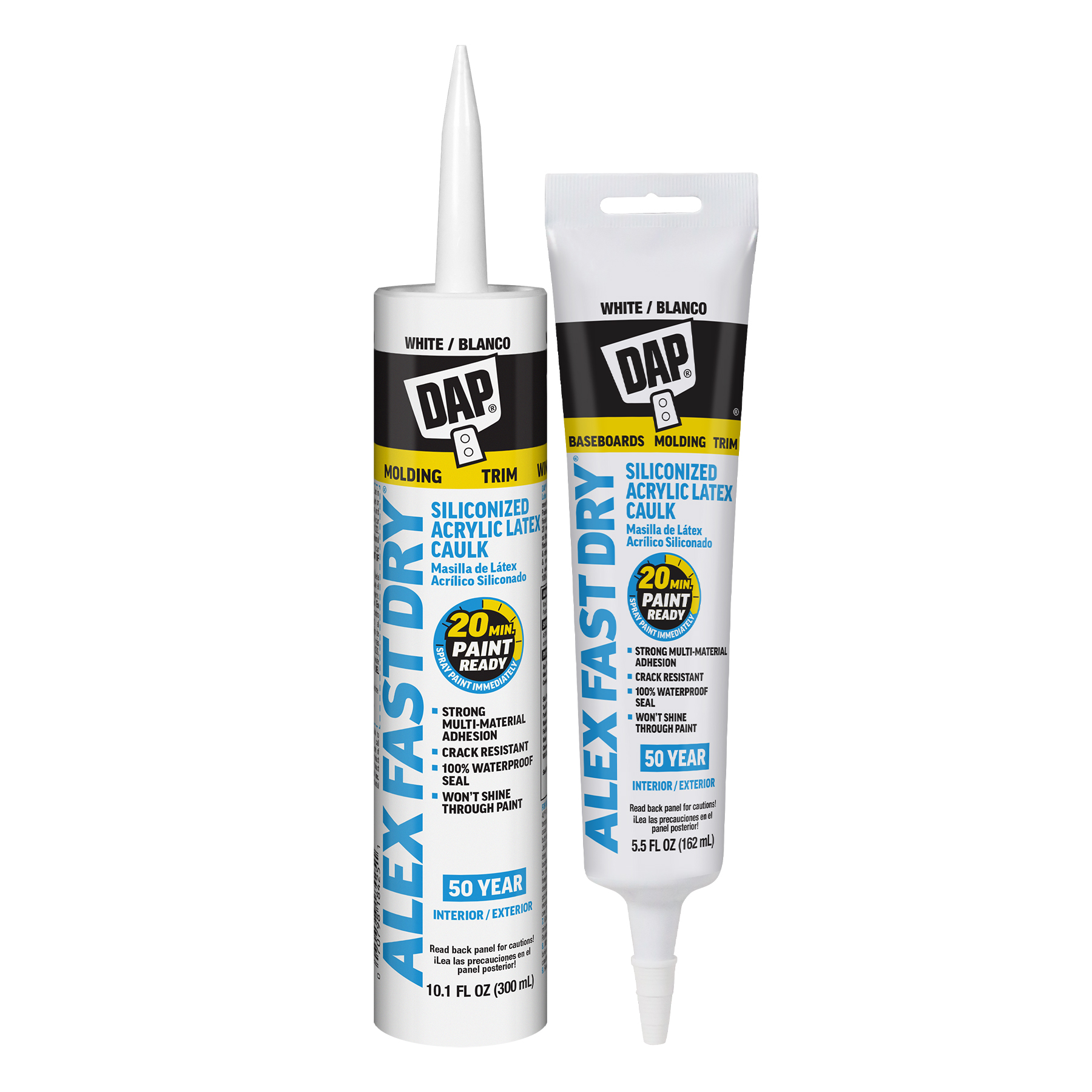
Alex Fast Dry Acrylic Latex Caulk Plus Silicone
DAP · acrylic latex
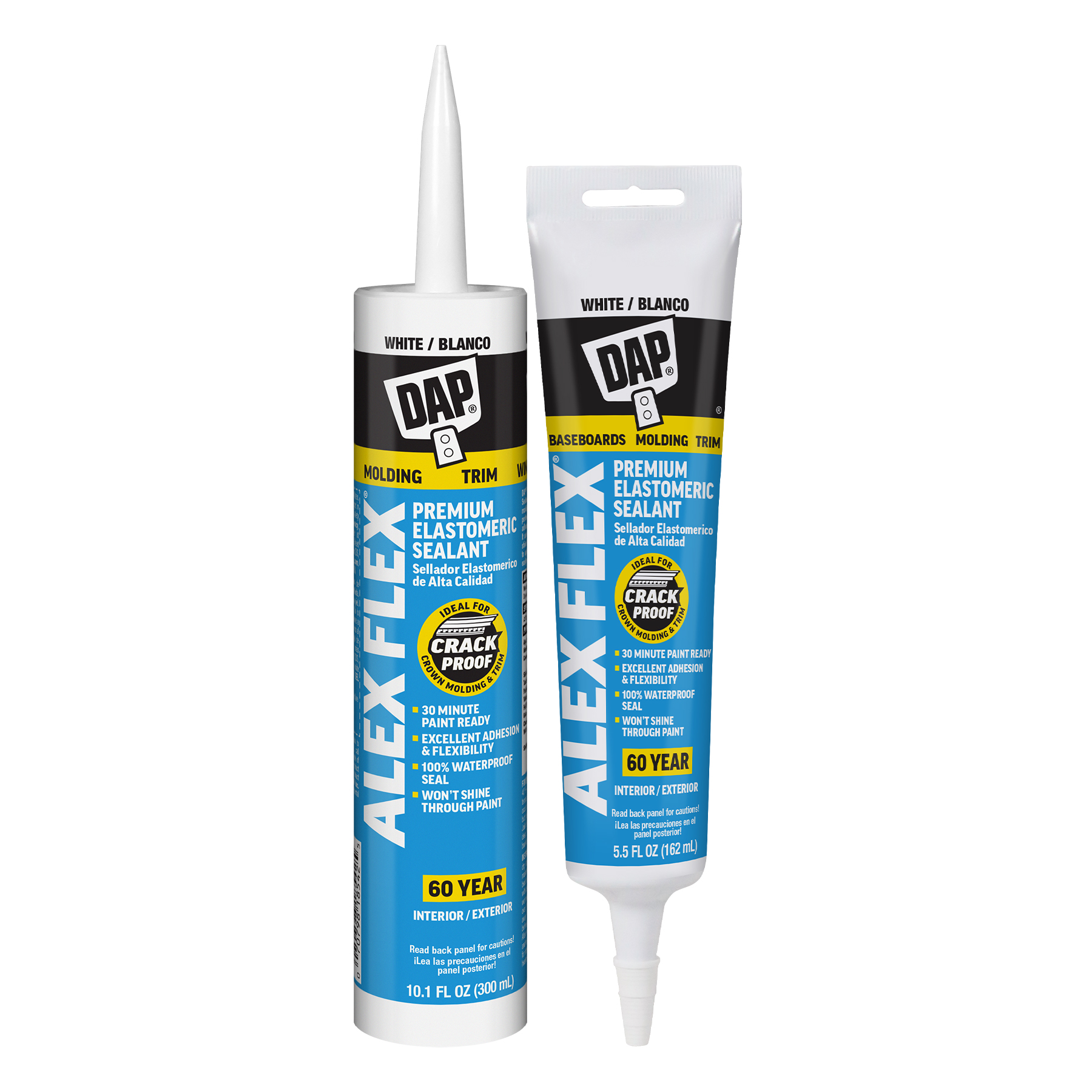
Alex Flex Premium Molding & Trim Sealant
DAP · acrylic latex
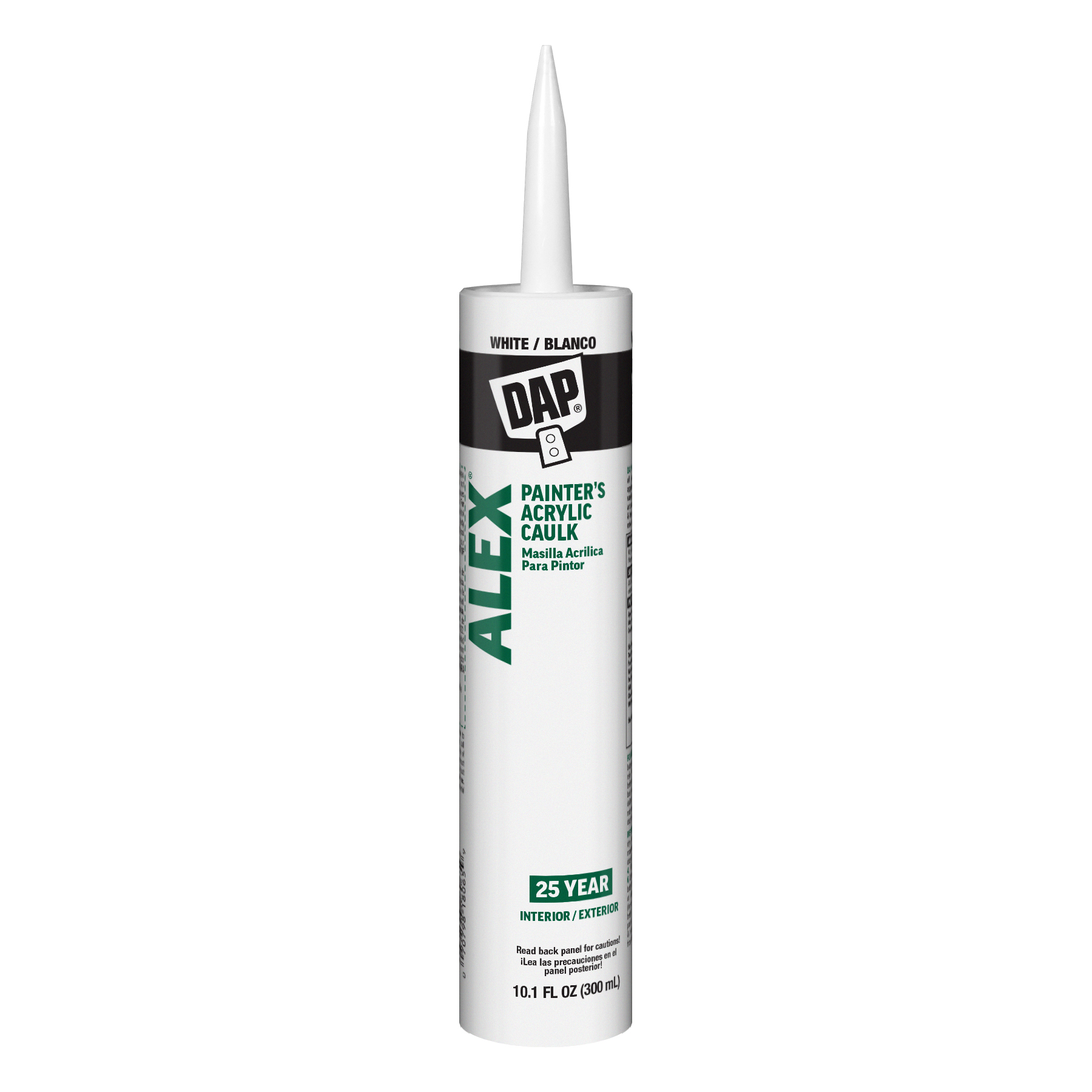
Alex Painter's Acrylic Latex Caulk
DAP · acrylic latex
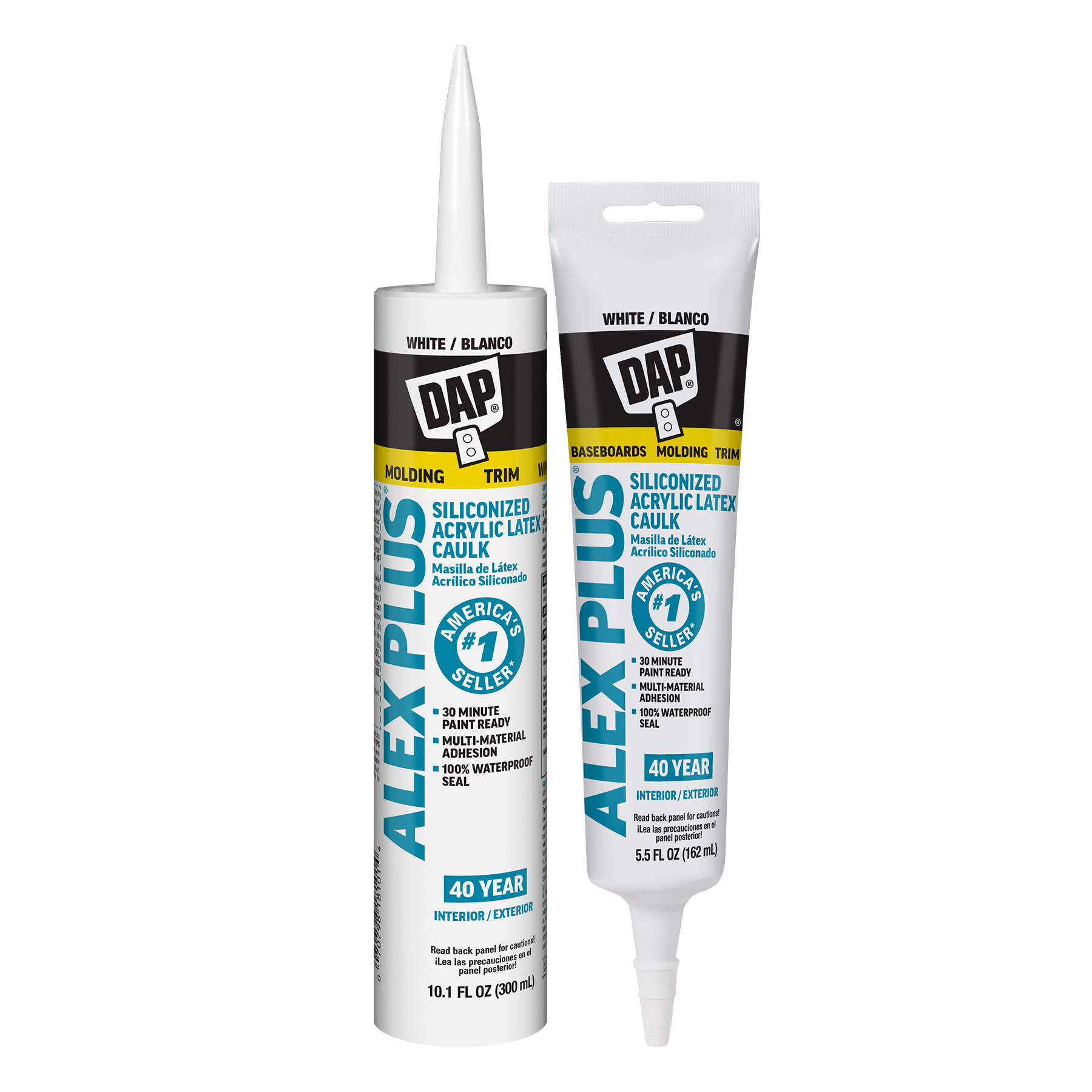
Alex Plus Acrylic Latex Caulk Plus Silicone
DAP · acrylic latex
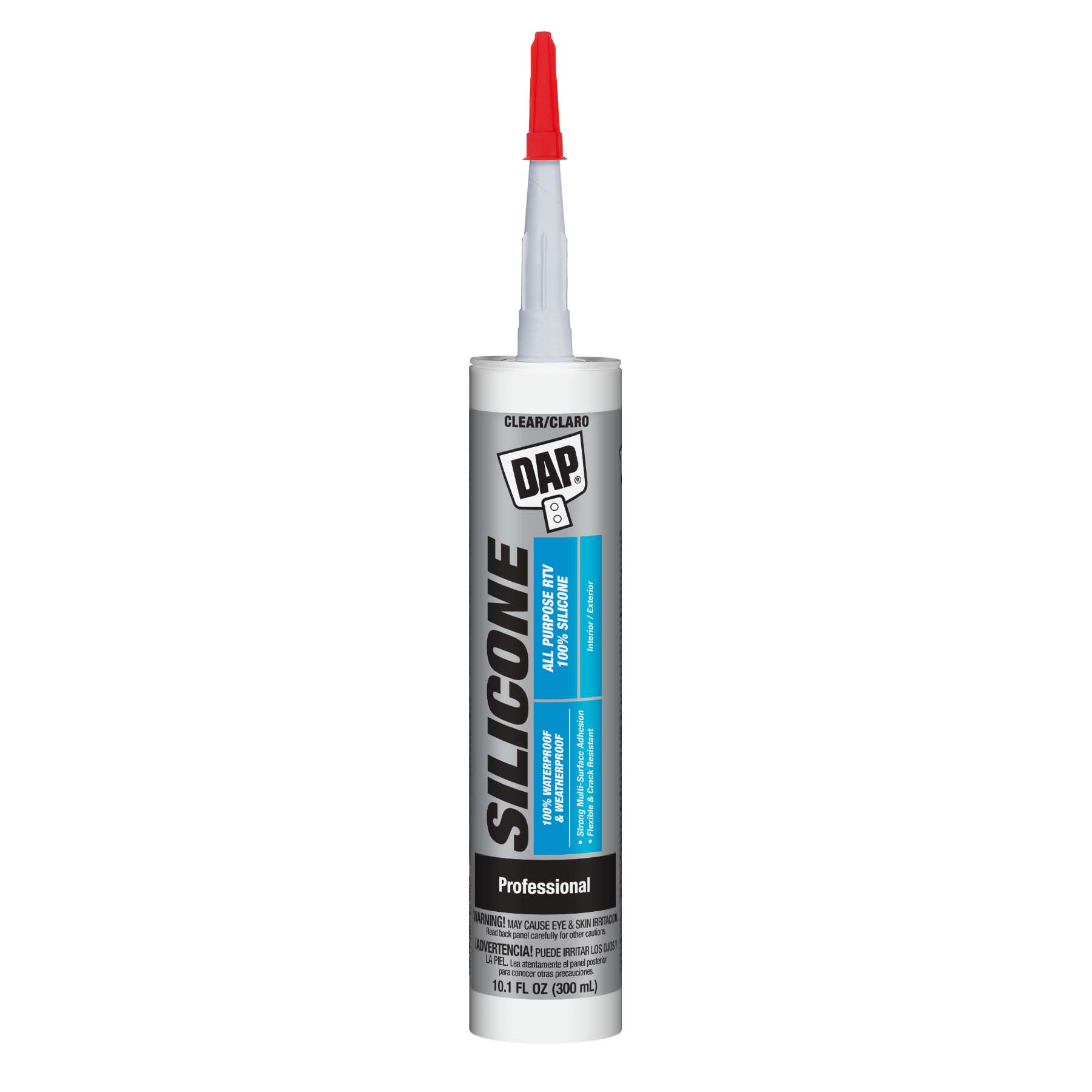
All Purpose RTV 100% Silicone Sealant
DAP · silicone
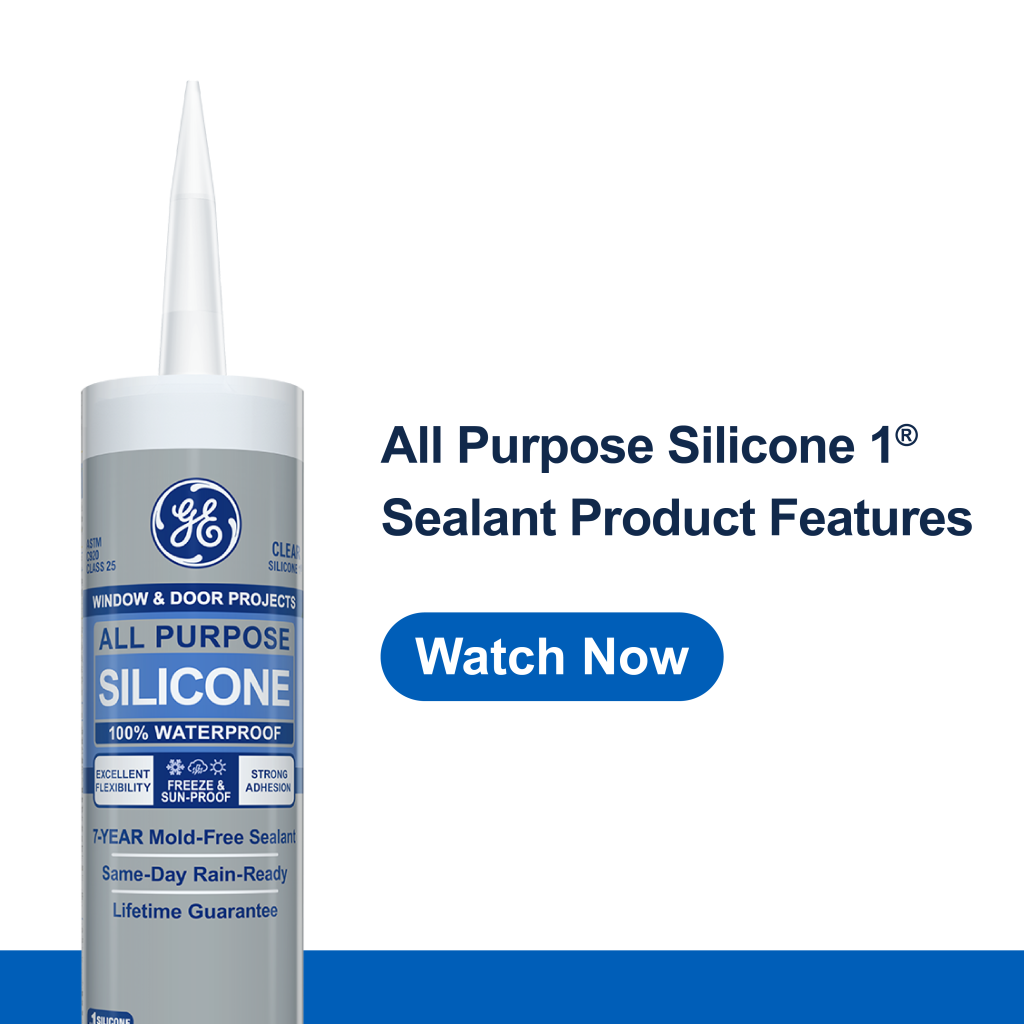
All Purpose Silicone 1 Window & Door Sealant
GE · silicone
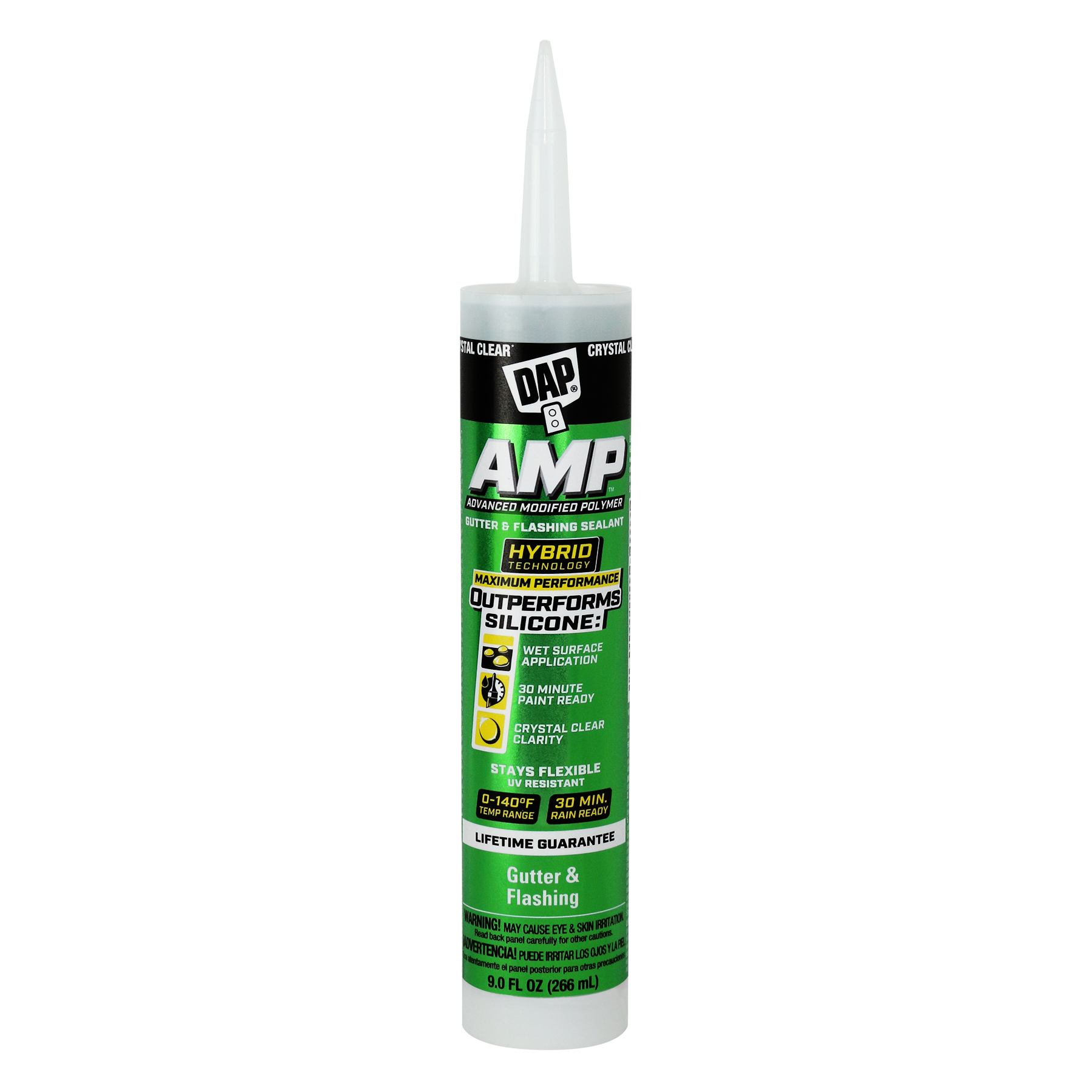
AMP Advanced Modified Polymer Gutter Flashing Sealant
DAP · hybrid polymer
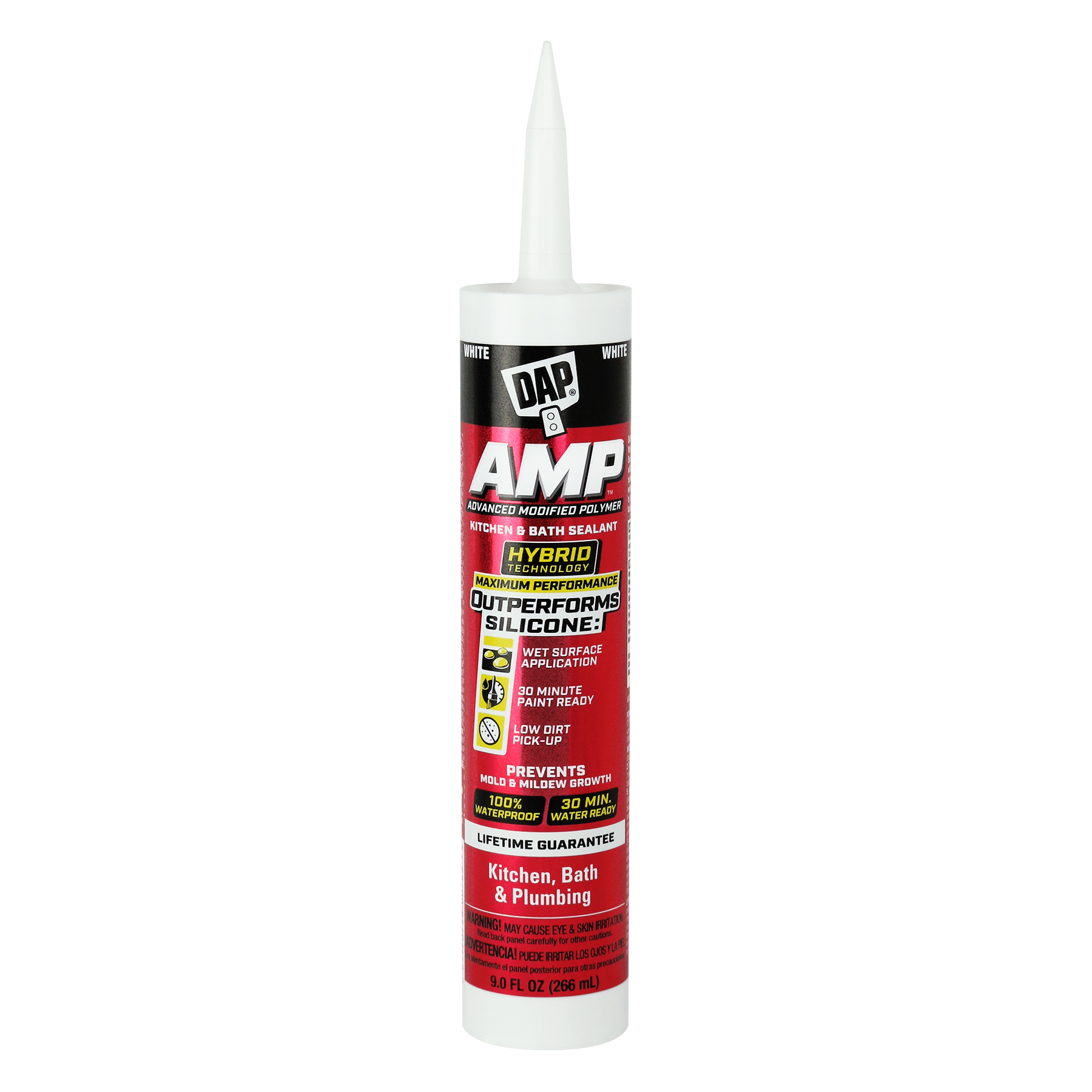
AMP Advanced Modified Polymer Kitchen Bath Plumbing Sealant
DAP · hybrid polymer
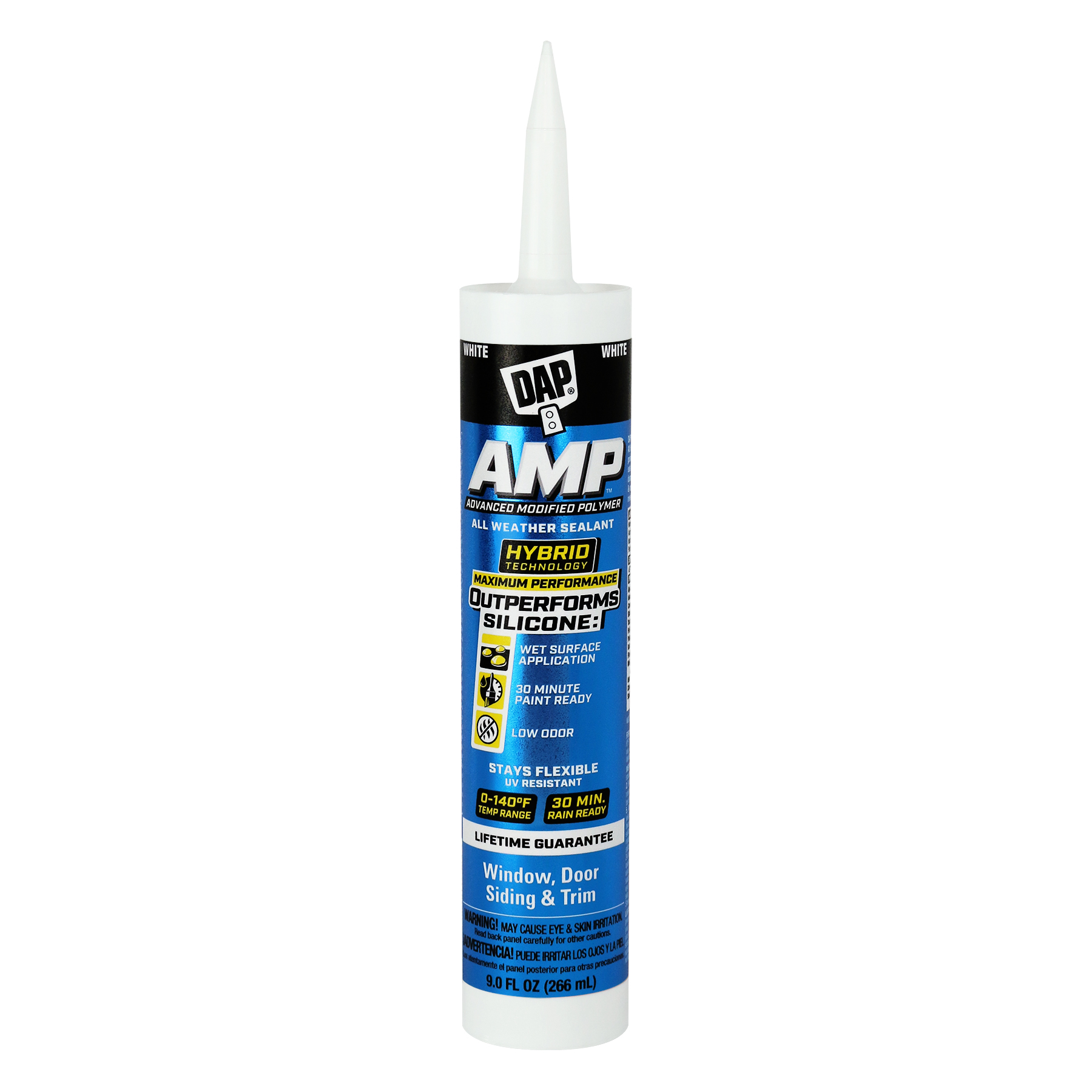
AMP Advanced Waterproof Window Door Siding Trim Sealant
DAP · hybrid polymer
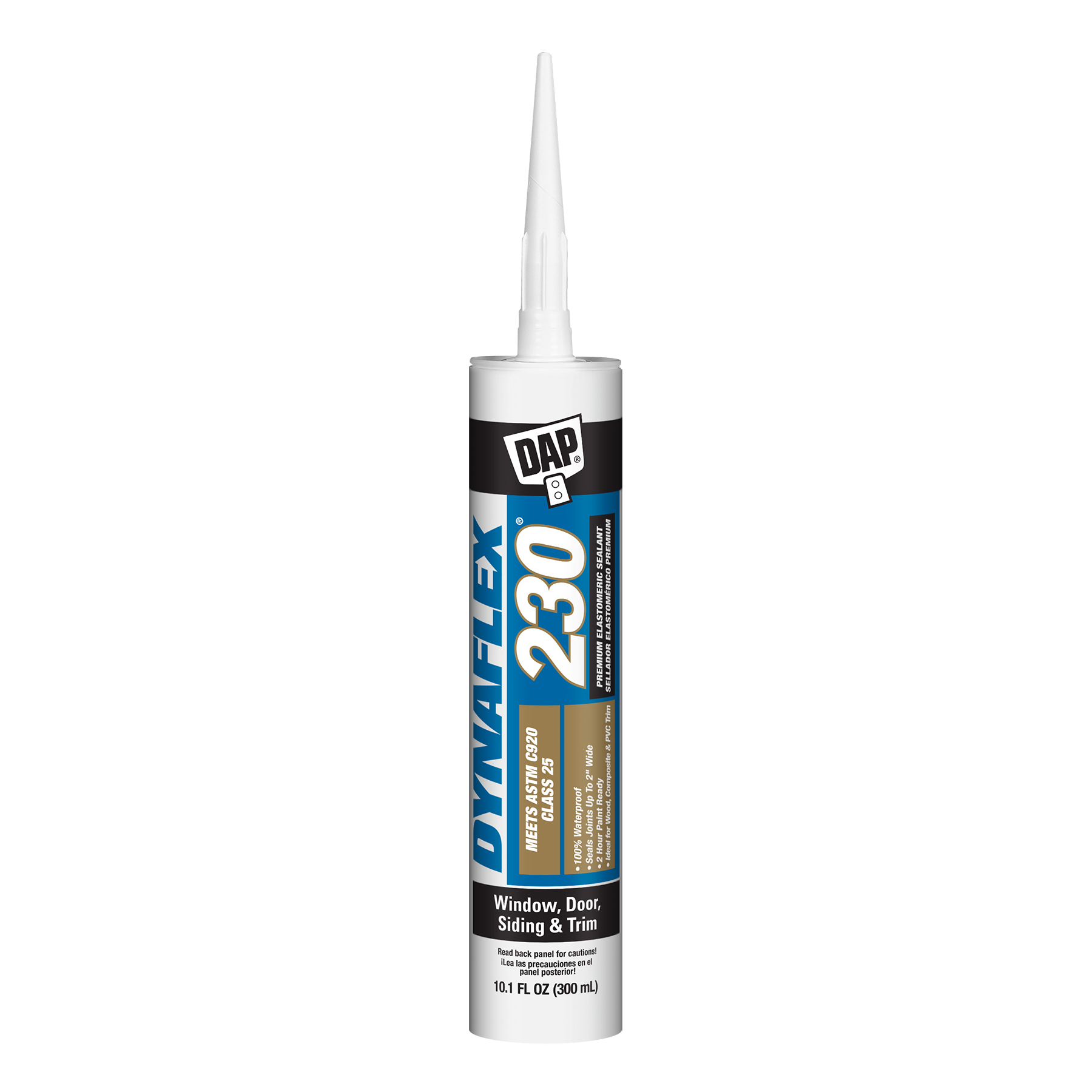
Dynaflex 230 Premium Sealant
DAP · acrylic latex
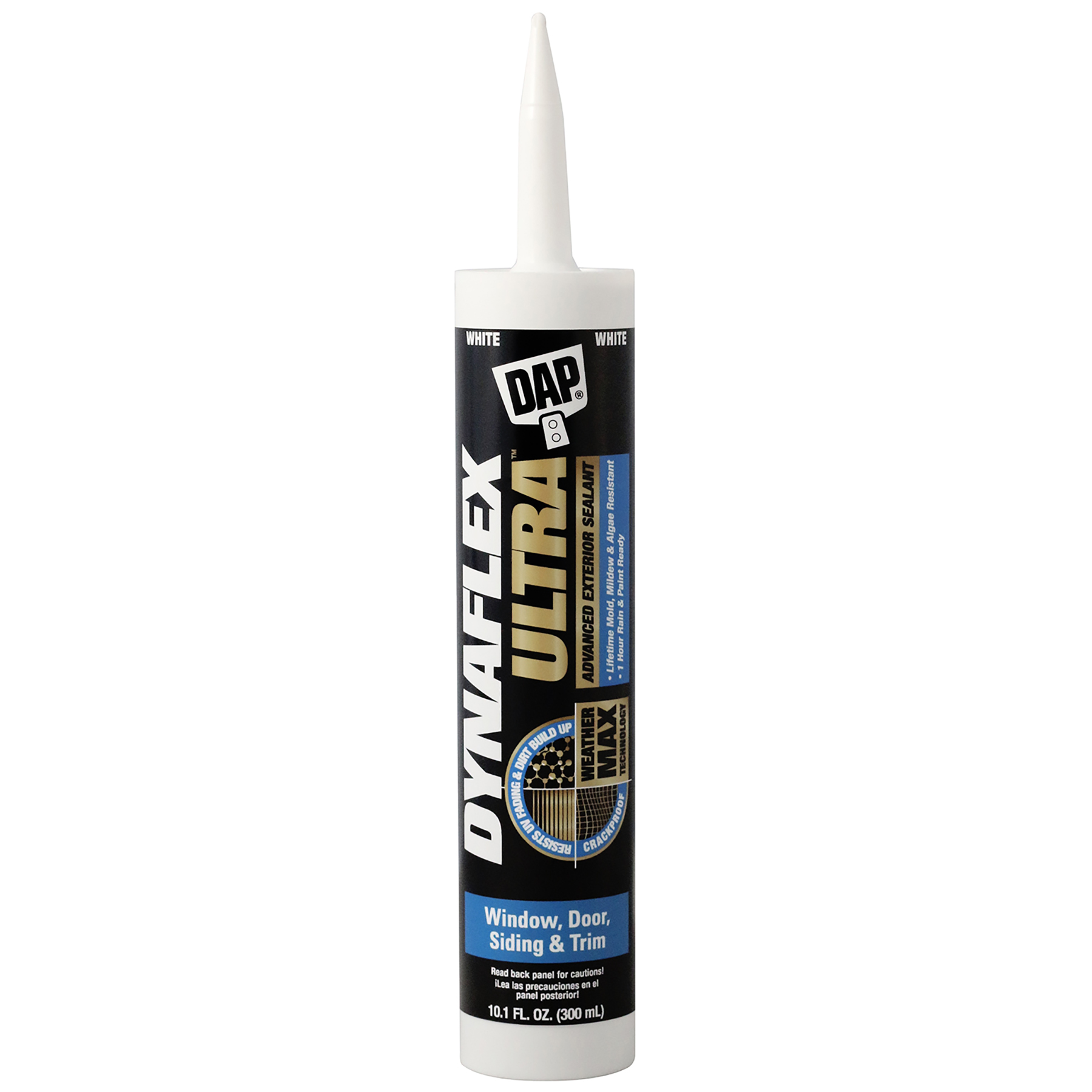
Dynaflex Ultra Advanced Exterior Sealant
DAP · acrylic latex
Kwik Seal Plus Premium Kitchen & Bath Adhesive Sealant
DAP · acrylic latex
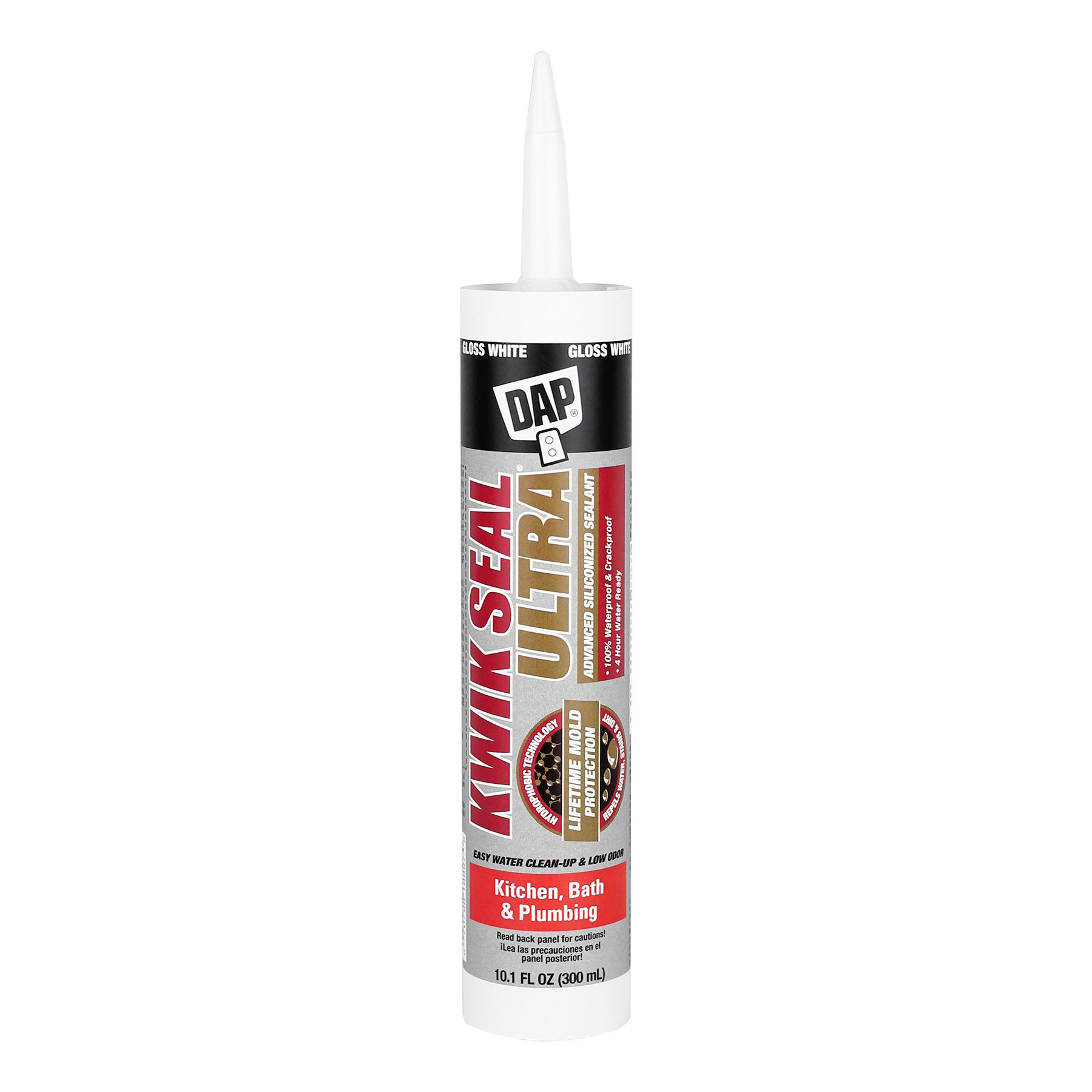
Kwik Seal Ultra Advanced Kitchen & Bath Sealant
DAP · hybrid polymer
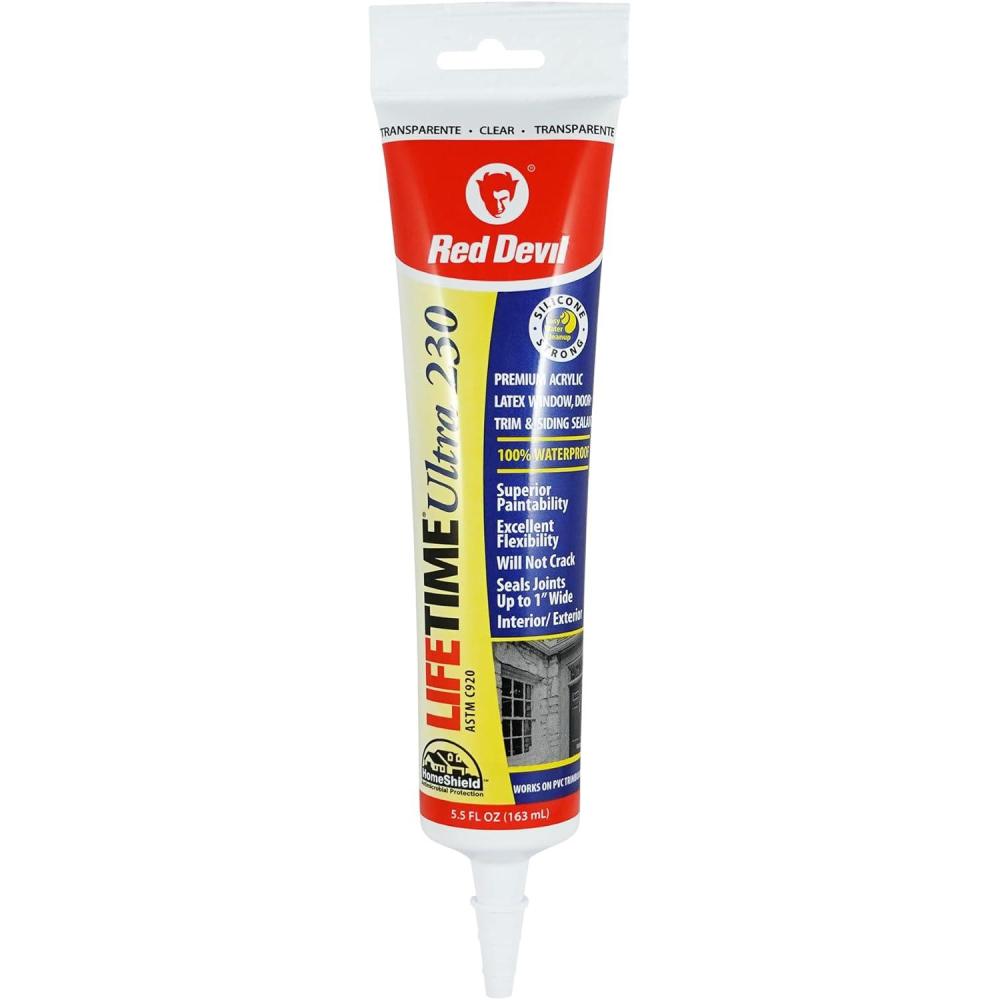
LIFETIME Ultra 230 Premium Elastomeric Acrylic Sealant
Red Devil · acrylic latex
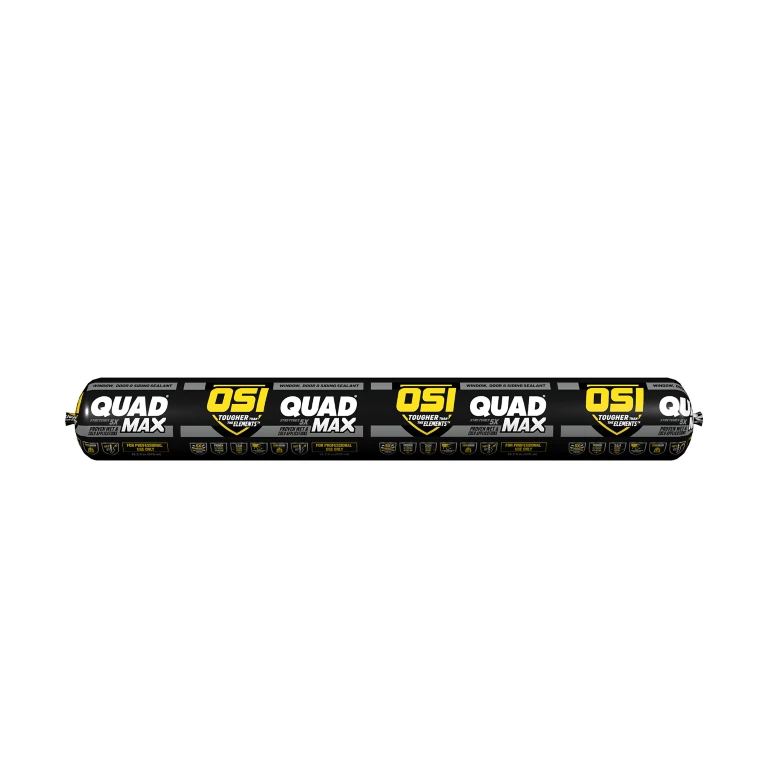
QUAD MAX Window, Door & Siding Sealant
OSI · hybrid polymer
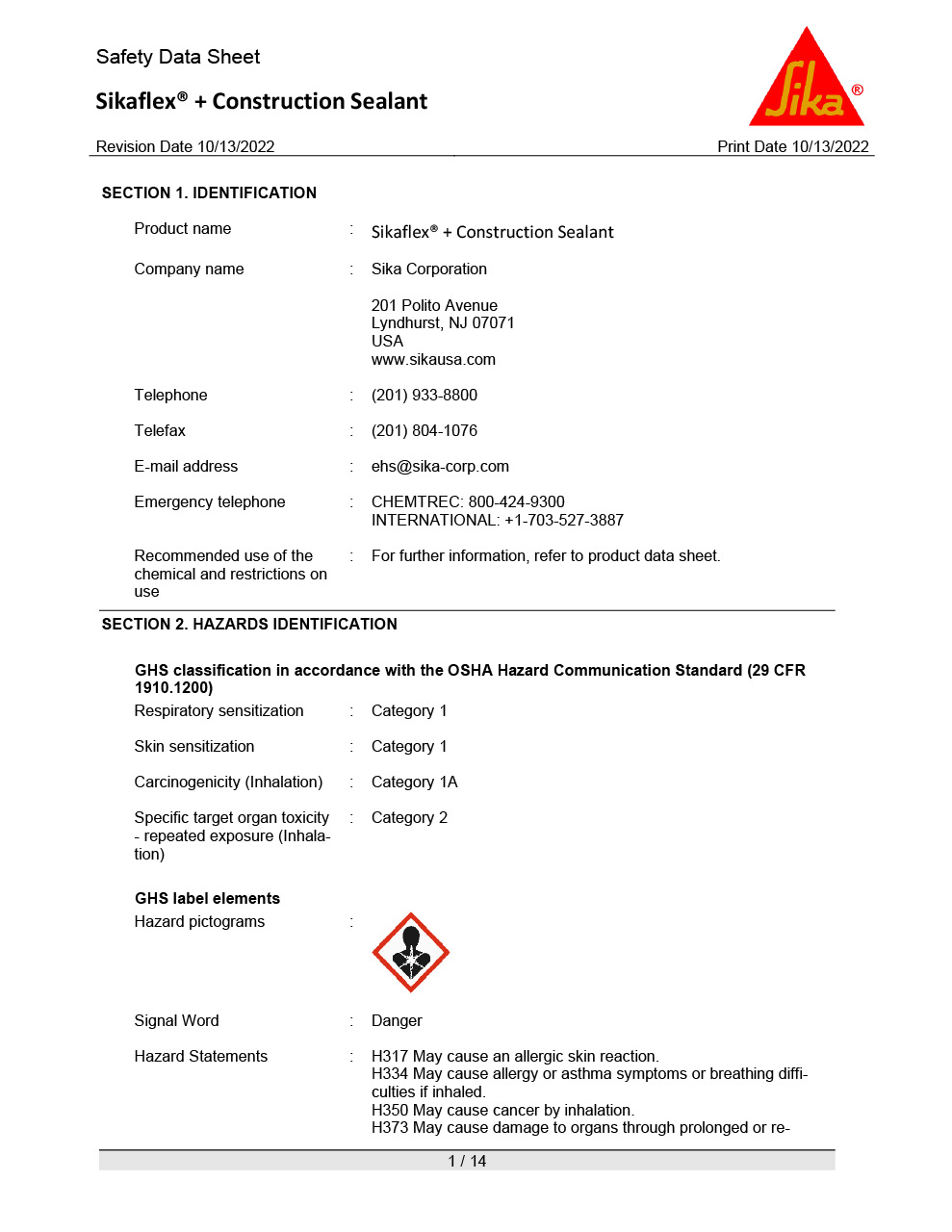
Sikaflex Construction Sealant
Sika · polyurethane
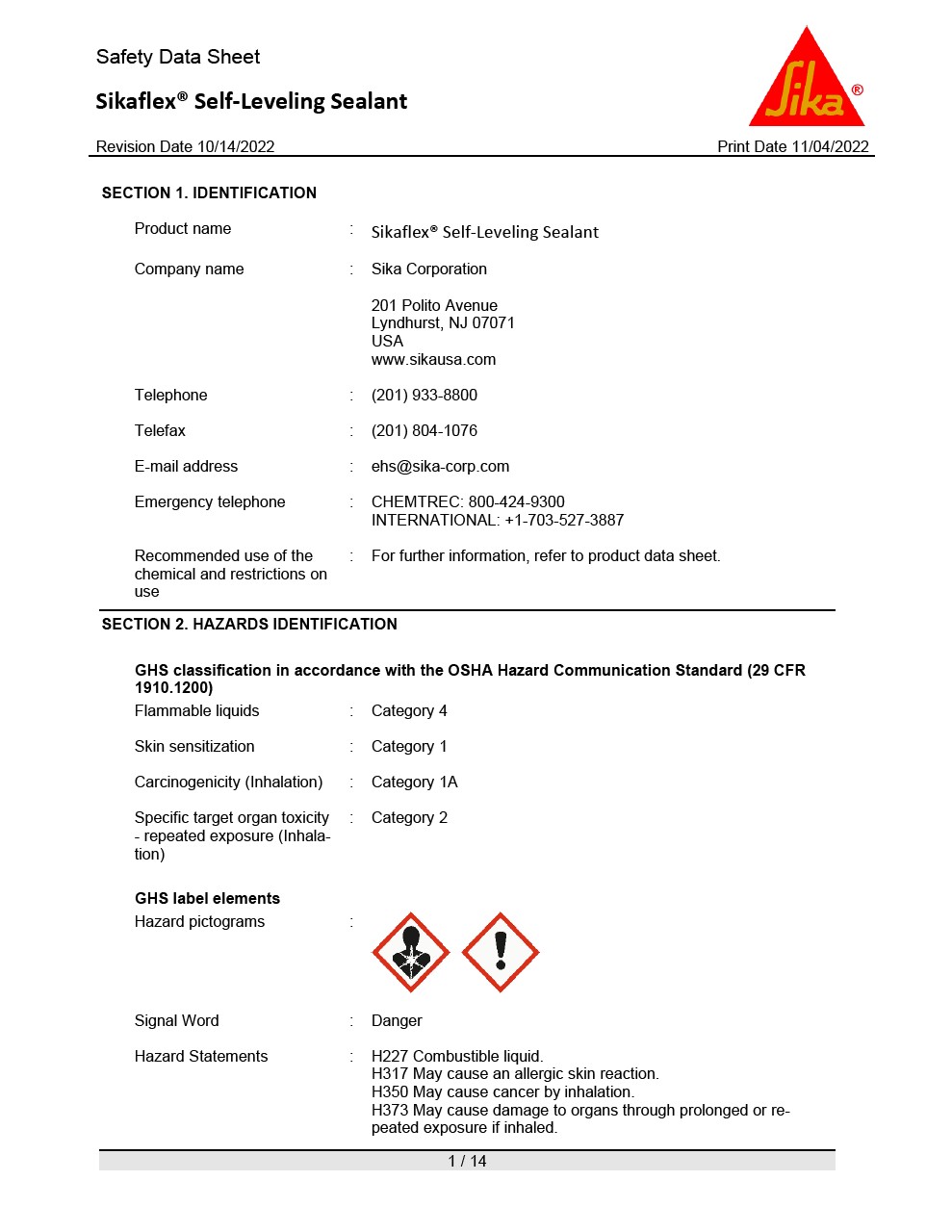
Sikaflex Self-Leveling Sealant
Sika · polyurethane
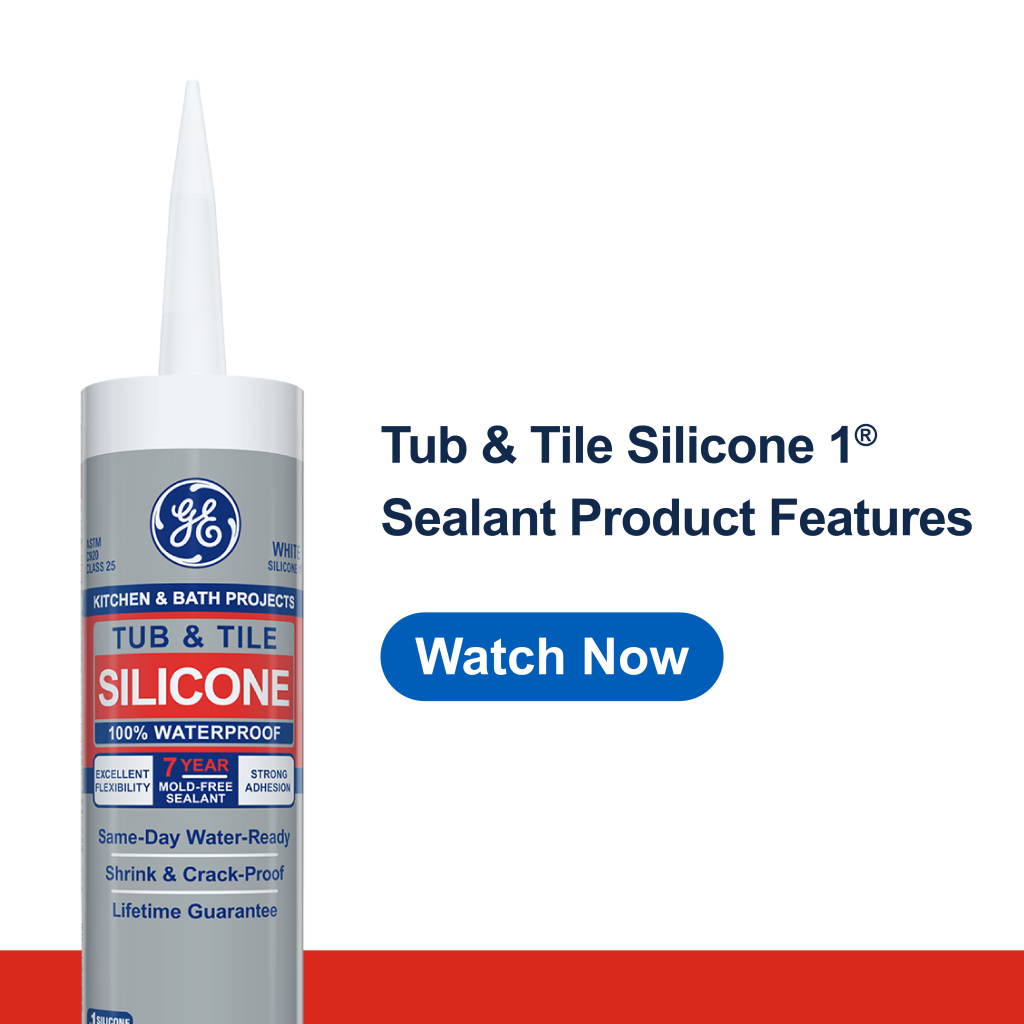
Silicone 1 Tub & Tile Sealant
GE · silicone
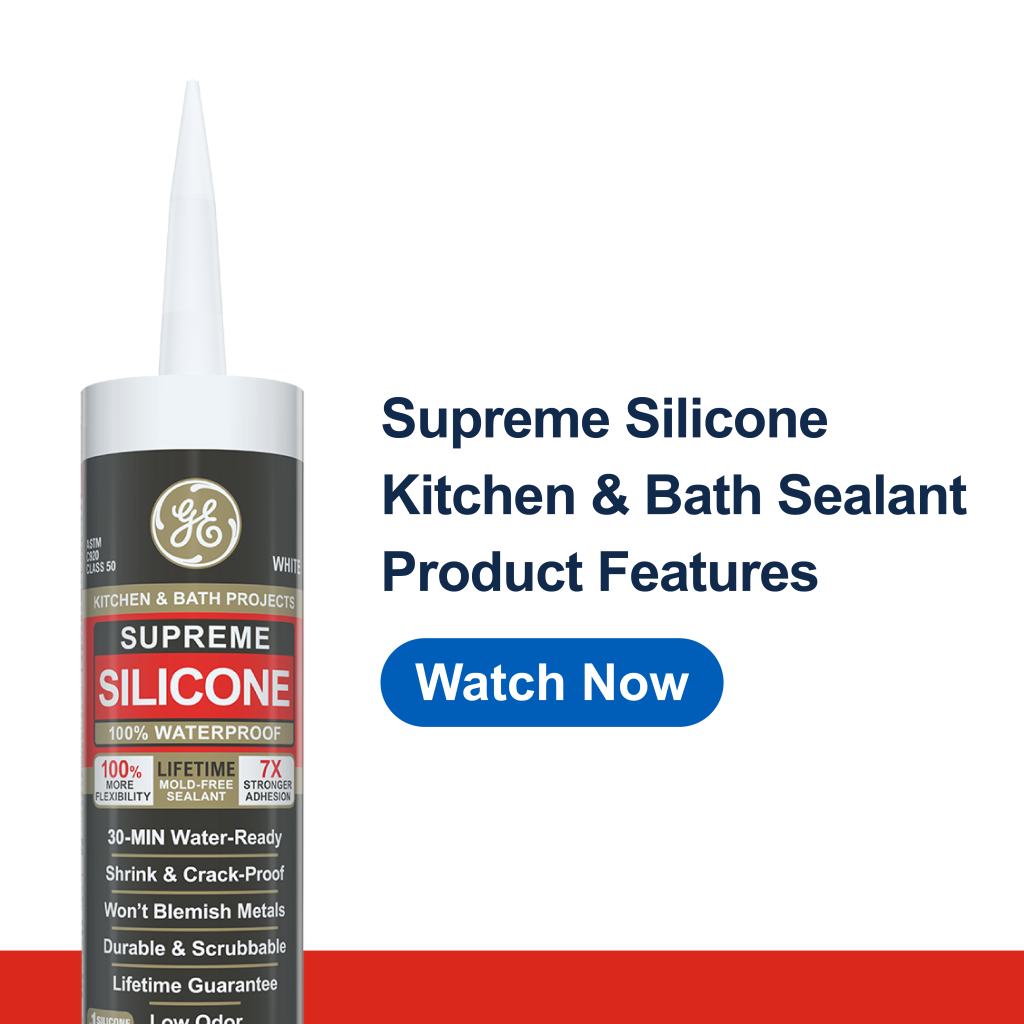
Supreme Silicone Kitchen & Bath Sealant
GE · silicone
How caulk & sealant cure times change in real conditions
Caulk and sealant cure time depends on bead size, depth, ventilation, humidity, and whether the product cures by water evaporation, moisture reaction, or another chemistry.
Cold surfaces slow skin formation and full-depth cure. Hot, dry conditions can also reduce tooling time and make the surface set before the bead is shaped cleanly.
Moisture-cure silicones need atmospheric moisture, while acrylic latex products often slow down in damp air because water evaporation is restricted.
Best uses for this calculator
- - Bathroom, kitchen, window, door, trim, siding, and general sealing projects.
- - Estimating when a bead can be painted, exposed to water, or put back into service.
- - Comparing silicone, acrylic latex, and advanced hybrid sealants by condition.
When to add extra safety margin
- - Skin time is not full cure; thick beads can remain uncured inside.
- - Paintable acrylic-latex caulk behaves differently from 100% silicone.
- - Showers, tubs, and exterior joints need extra margin before water exposure.
Popular caulk & sealant pages to check next
Product cure calculators
Side-by-side comparisons
When can caulk get wet?
Use the product page and calculator as the safer guide. Many labels advertise short water-ready times, but thick beads, cool tile, and poor ventilation can extend full cure.
Why does silicone skin over but stay soft underneath?
Large beads, very high humidity, low ventilation, or unsuitable joint geometry can cure the surface while limiting moisture movement into the interior.