Construction Adhesive Cure Time Calculator
Solvent-based and hybrid construction adhesives — application limits, flash-off time, and full cure duration.
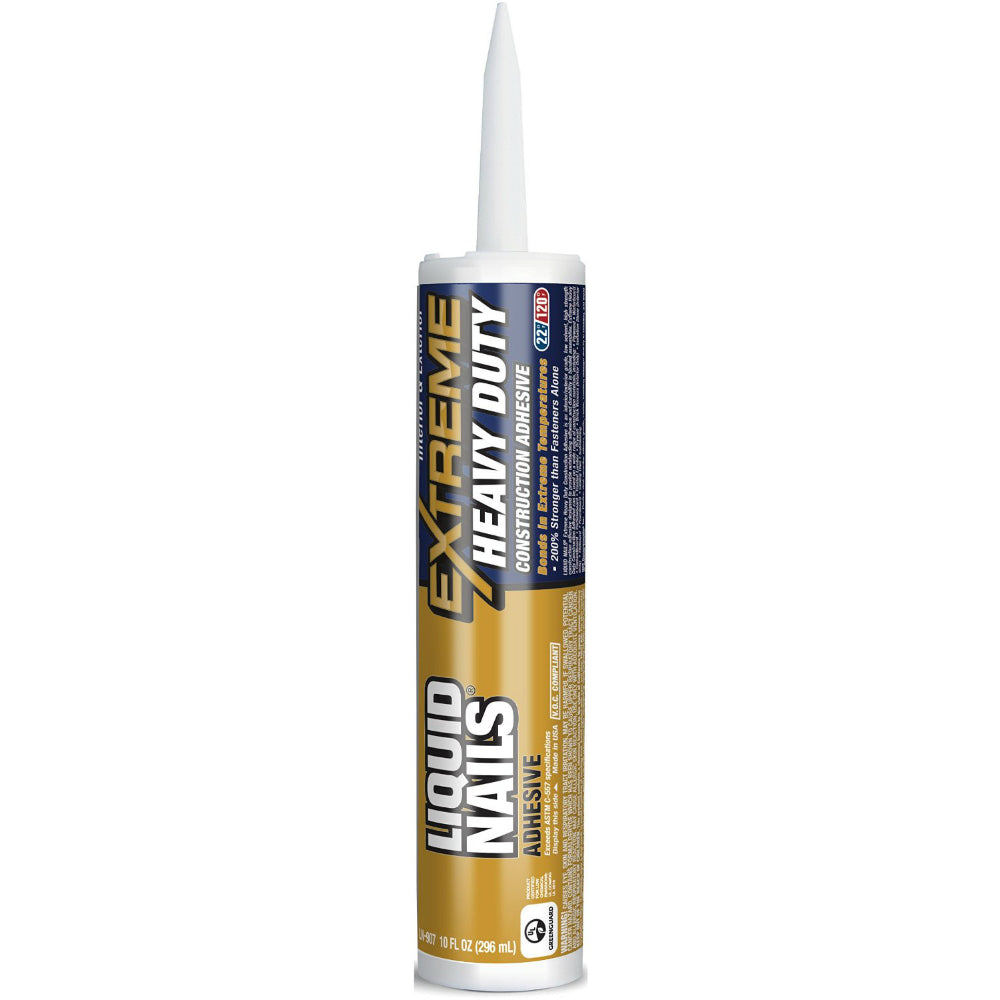
Extreme Heavy Duty Construction Adhesive
Liquid Nails · acrylic latex

Flex Glue
Flex Seal · hybrid polymer
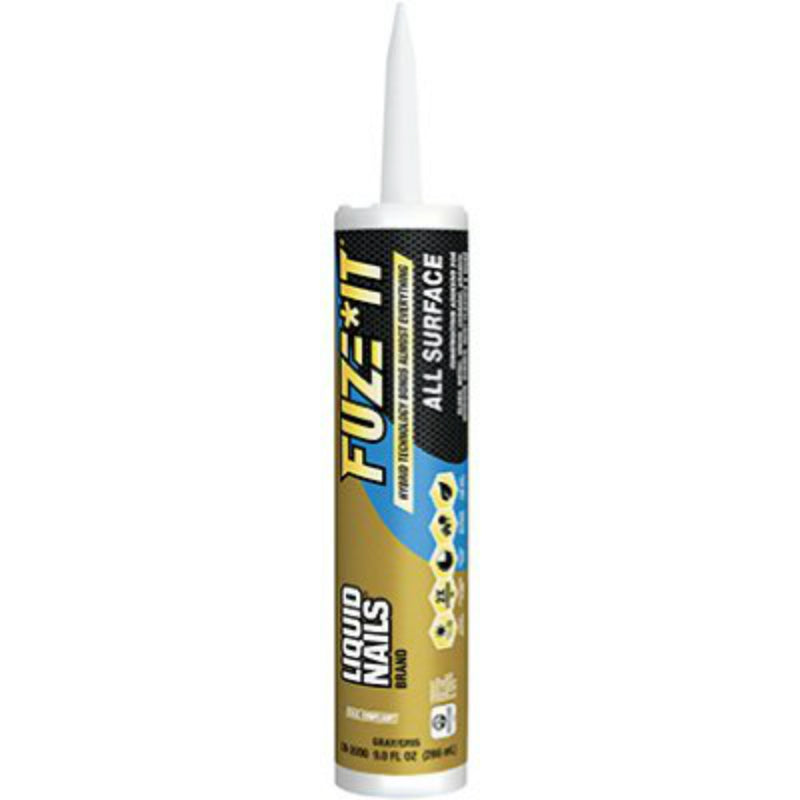
Fuze*It All Surface Construction Adhesive
Liquid Nails · hybrid polymer

Fuze*It Max Interior/Exterior All-Purpose Adhesive
Liquid Nails · hybrid polymer
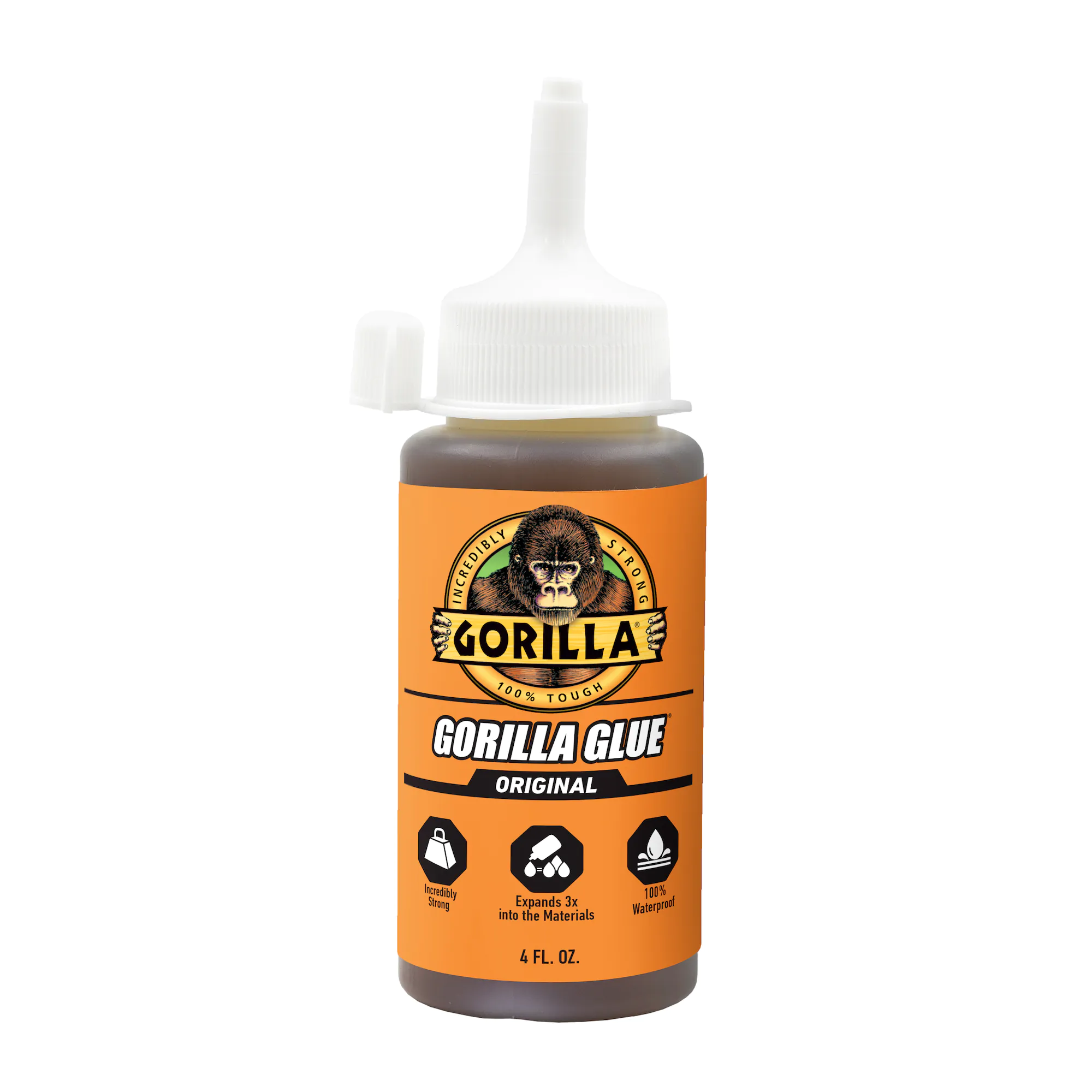
Gorilla Glue Original Polyurethane Adhesive
Gorilla Glue · polyurethane

Gorilla Heavy Duty Construction Adhesive
Gorilla Glue · hybrid polymer
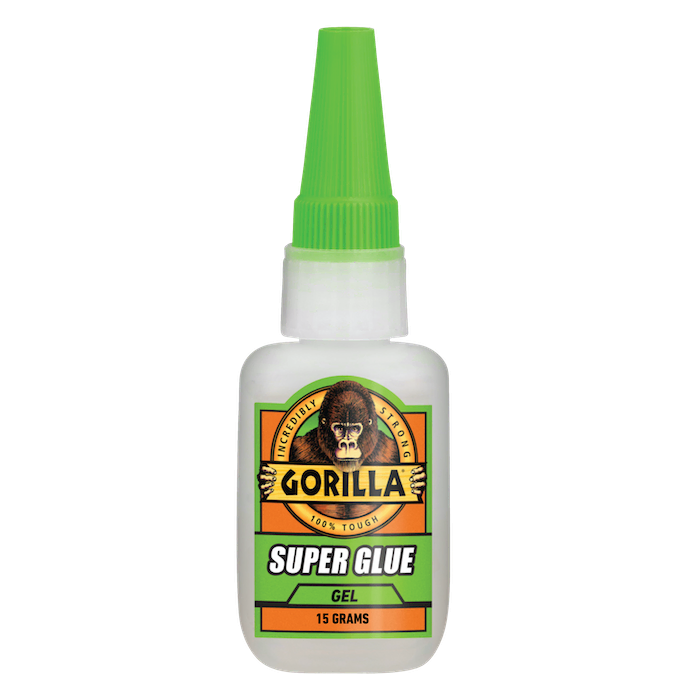
Gorilla Super Glue Gel
Gorilla Glue · cyanoacrylate

Heavy Duty Interior/Exterior Construction Adhesive
Liquid Nails · acrylic latex
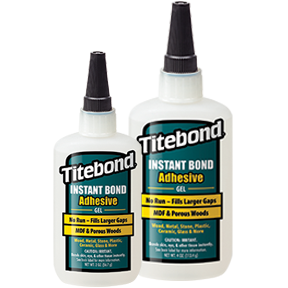
Instant Bond Adhesive Gel
Titebond · cyanoacrylate
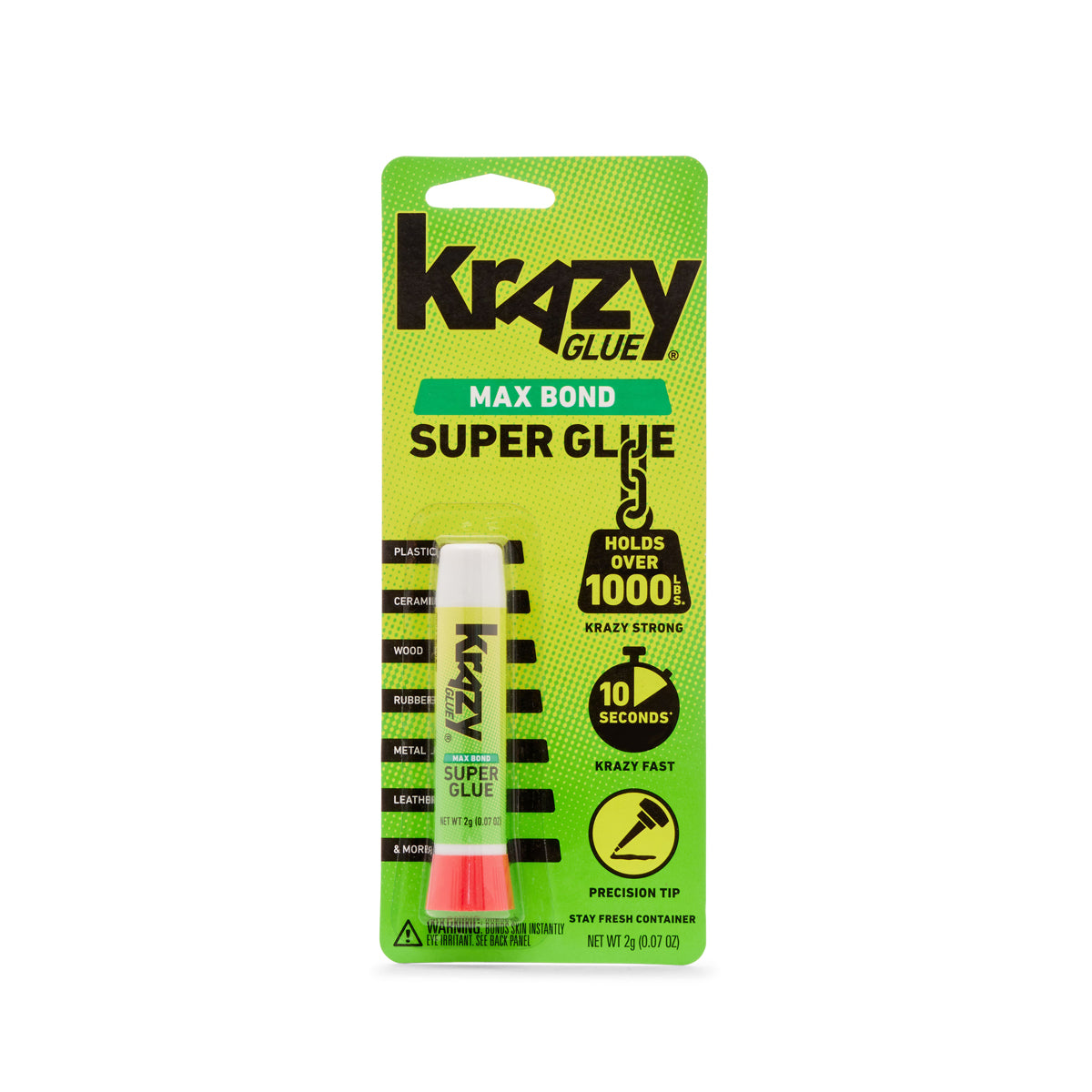
Maximum Bond Super Glue
Krazy Glue · cyanoacrylate
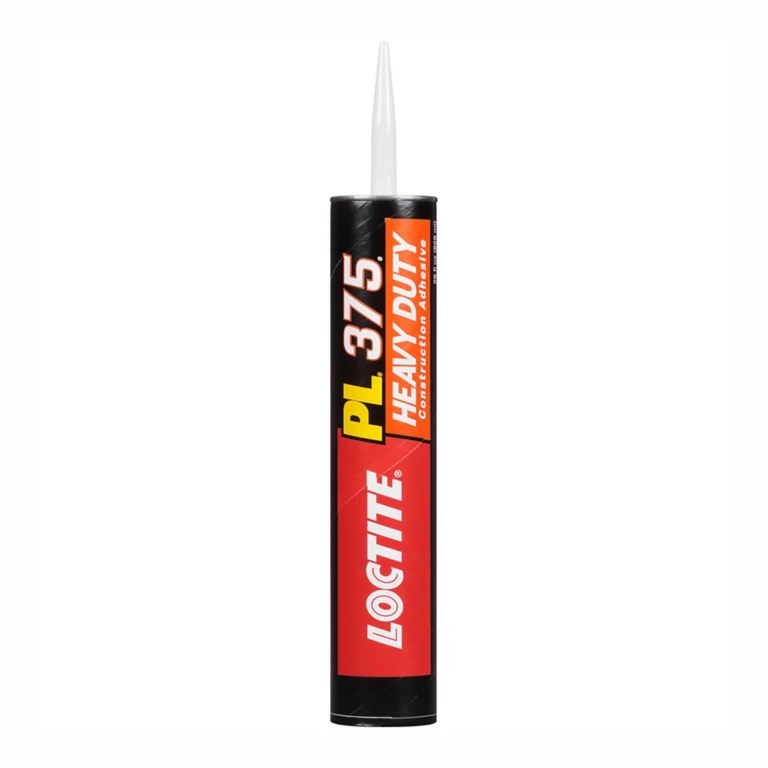
PL 375 Heavy Duty Construction Adhesive
Loctite · PVA construction
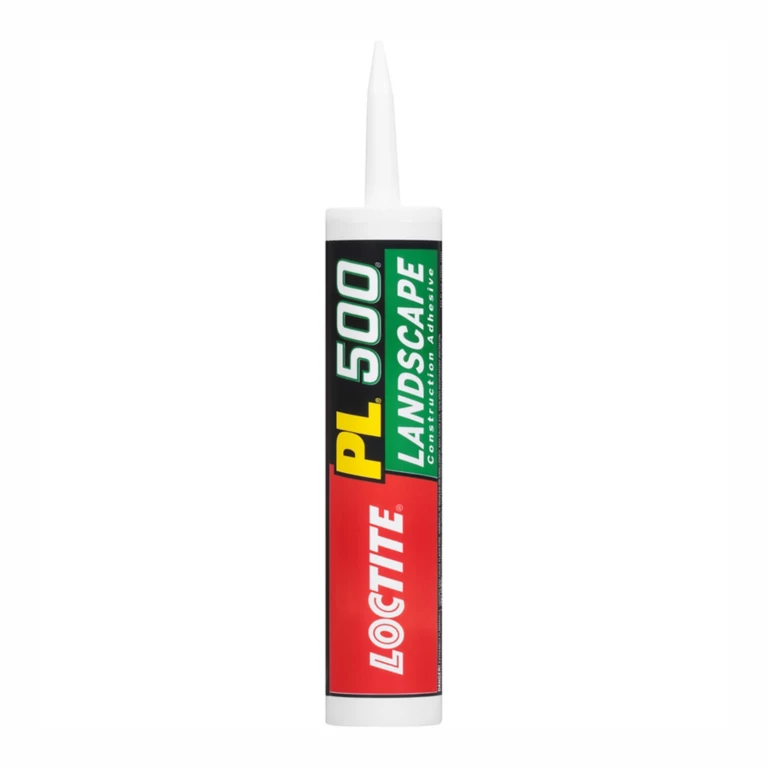
PL 500 Landscape Construction Adhesive
Loctite · synthetic rubber

PL Premium Fast Grab Construction Adhesive
Loctite · polyurethane
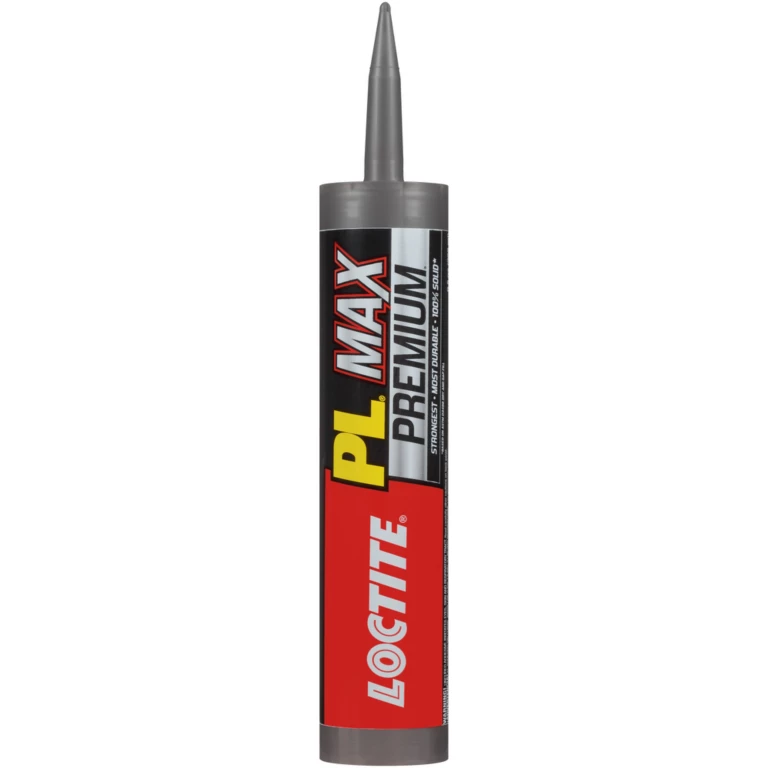
PL Premium Max Construction Adhesive
Loctite · silane modified polymer
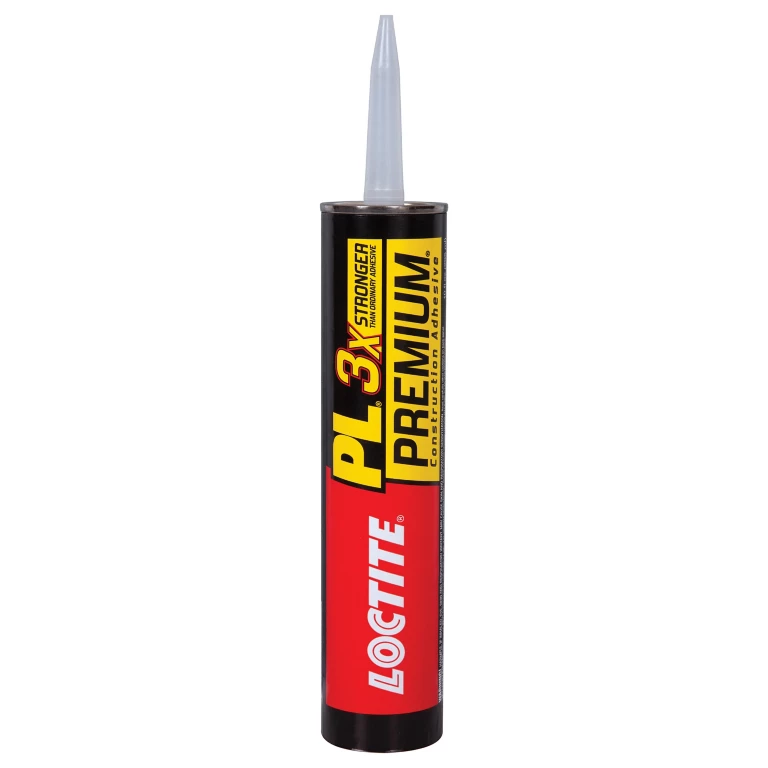
PL Premium Polyurethane Construction Adhesive
Loctite · polyurethane
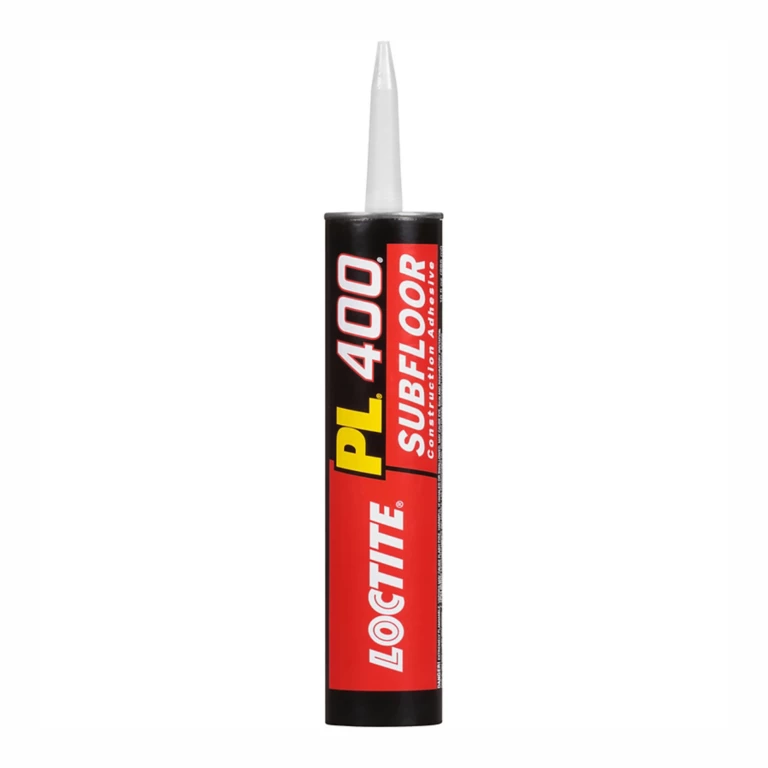
PL400 Subfloor & Deck Construction Adhesive
Loctite · synthetic rubber
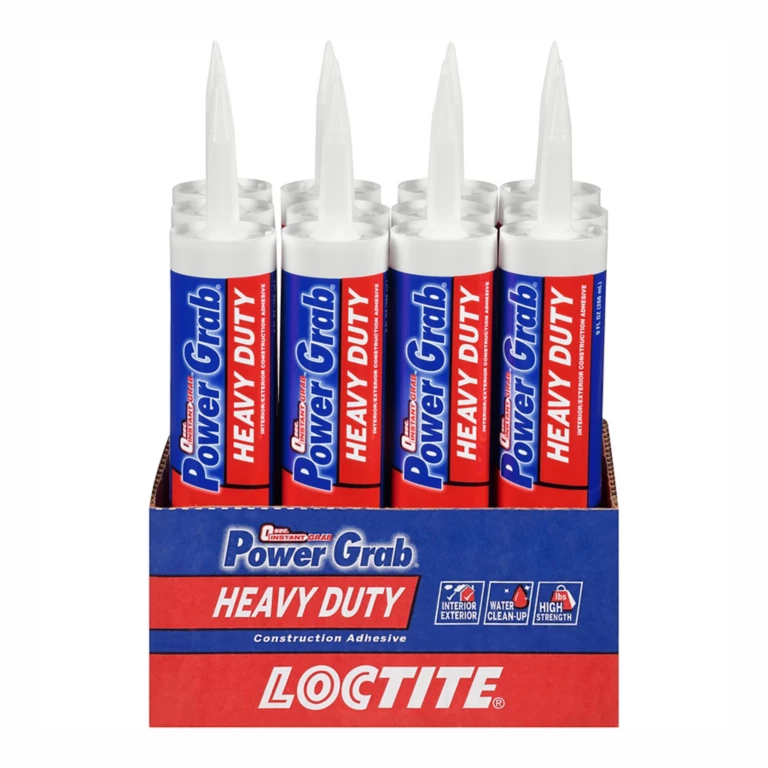
Power Grab Express Heavy Duty Construction Adhesive
Loctite · PVA construction
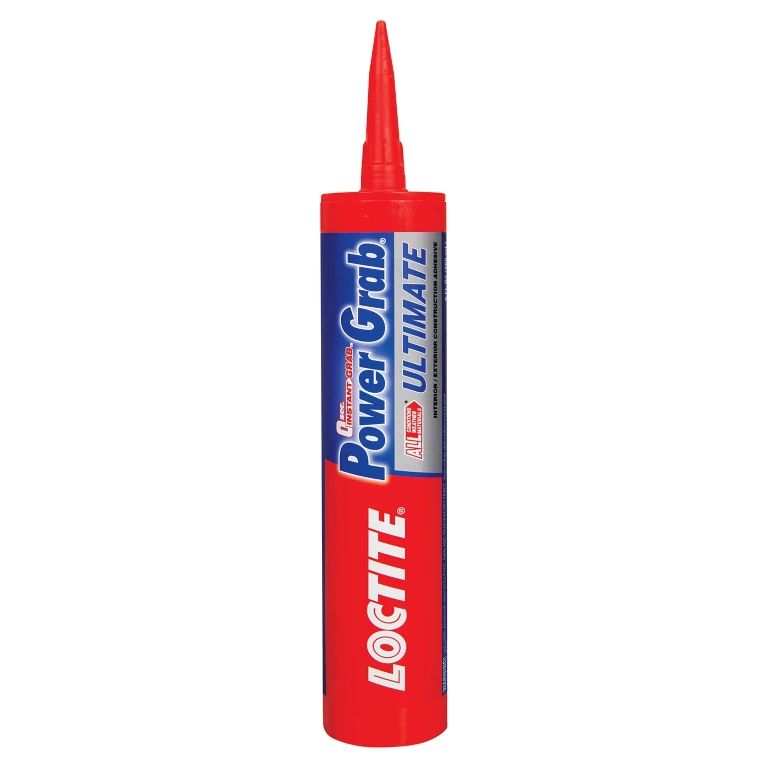
Power Grab Ultimate Construction Adhesive
Loctite · silane modified polymer
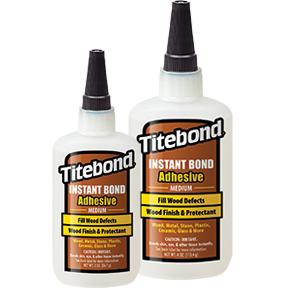
Titebond Instant Bond Adhesive Medium
Franklin International · cyanoacrylate
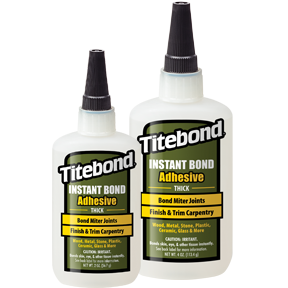
Titebond Instant Bond Adhesive Thick
Franklin International · cyanoacrylate
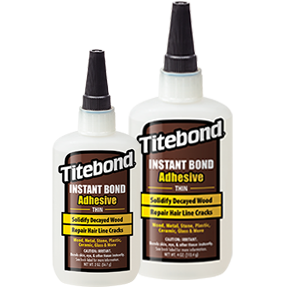
Titebond Instant Bond Adhesive Thin
Franklin International · cyanoacrylate
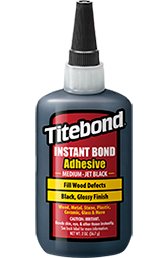
Titebond Instant Bond Medium Jet Black
Franklin International · cyanoacrylate
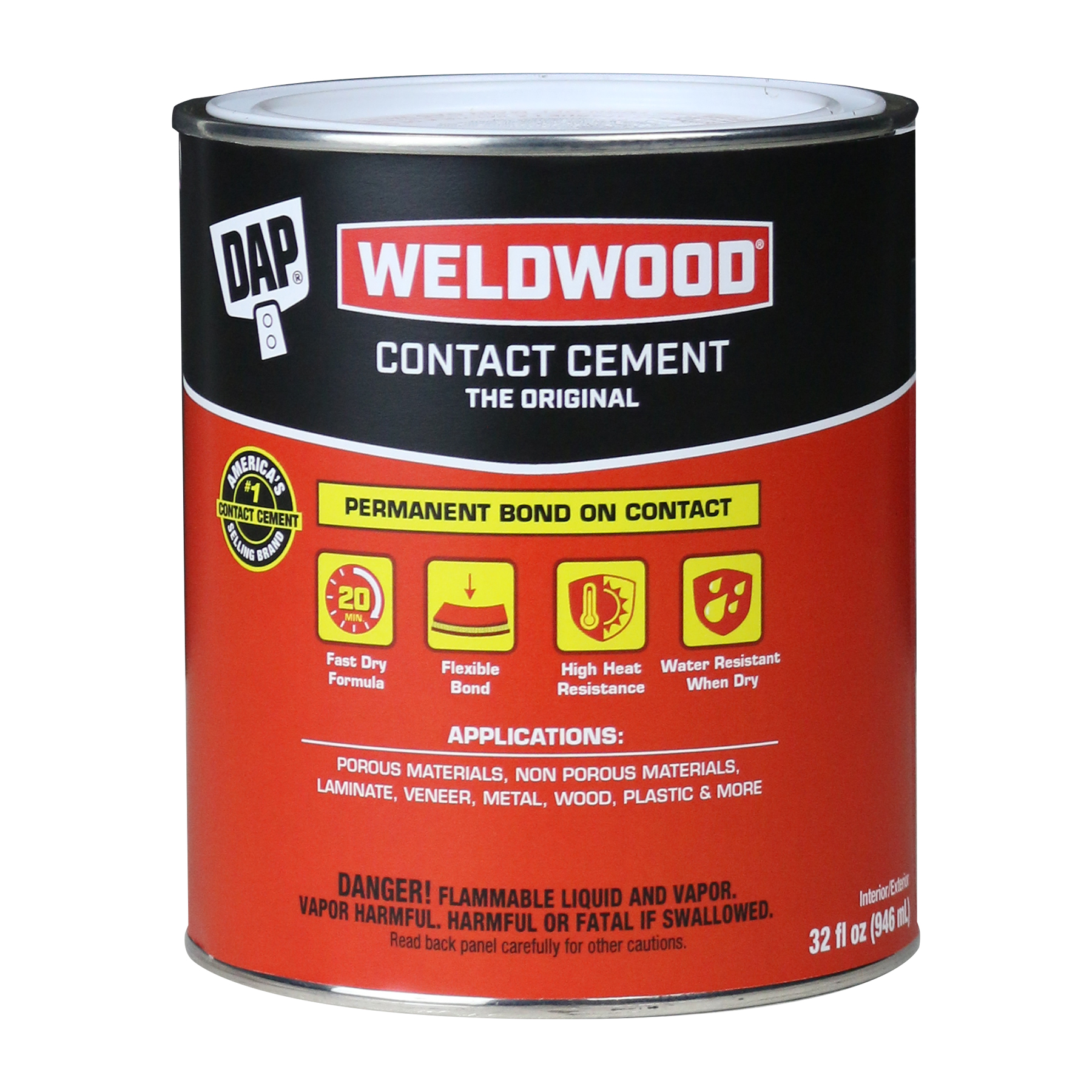
Weldwood Original Contact Cement
DAP · contact cement
How construction adhesive cure times change in real conditions
Construction adhesive cure time varies widely by chemistry, bead size, substrate porosity, and whether one or both surfaces allow solvent or water to escape.
Cold framing, masonry, concrete, and panels can extend cure time even when the air feels acceptable. The substrate temperature matters as much as room temperature.
Moisture-cure polyurethane and hybrid adhesives need humidity to react, while water-based products can slow in humid air and solvent-based products need ventilation.
Best uses for this calculator
- - Subfloor, drywall, masonry, panel, landscape block, and general heavy-duty bonding projects.
- - Checking minimum application temperature before a cold-weather job.
- - Comparing open time, tack time, and full cure across similar jobsite adhesives.
When to add extra safety margin
- - Bonding two non-porous materials can dramatically slow cure.
- - Heavy panels and overhead work need mechanical support until the adhesive is strong.
- - Foam board, plastics, and coated surfaces require product-specific compatibility checks.
Popular construction adhesive pages to check next
Product cure calculators
Can construction adhesive replace fasteners?
Sometimes for non-structural work, but many assemblies still need nails, screws, bracing, or temporary support until the adhesive fully cures.
Why is construction adhesive still tacky after 24 hours?
Cold substrates, thick beads, low ventilation, or non-porous surfaces can trap moisture or solvent and slow the cure far beyond the label baseline.