Wood Glue Cure Time Calculator
PVA, polyurethane, and aliphatic wood glues — how temperature and humidity affect cure time and bond strength.
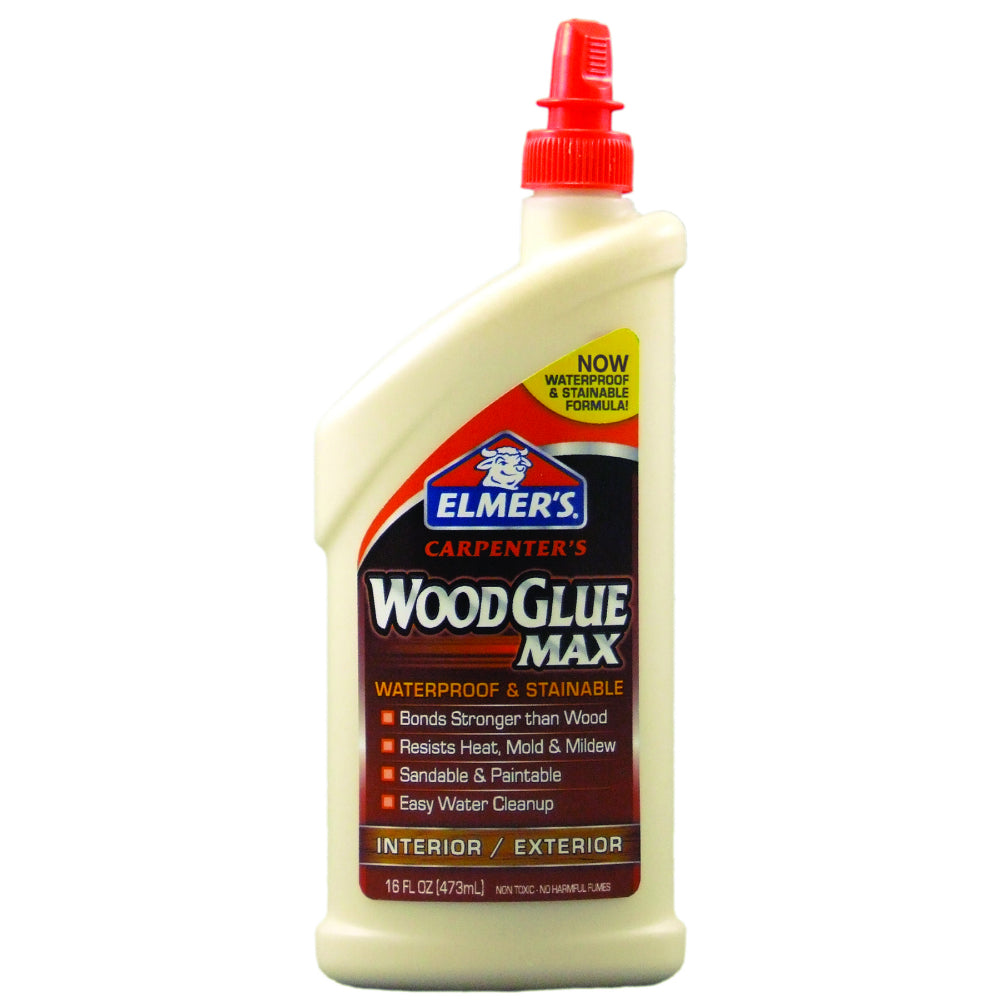
Carpenter's Wood Glue Max
Elmer's · PVA
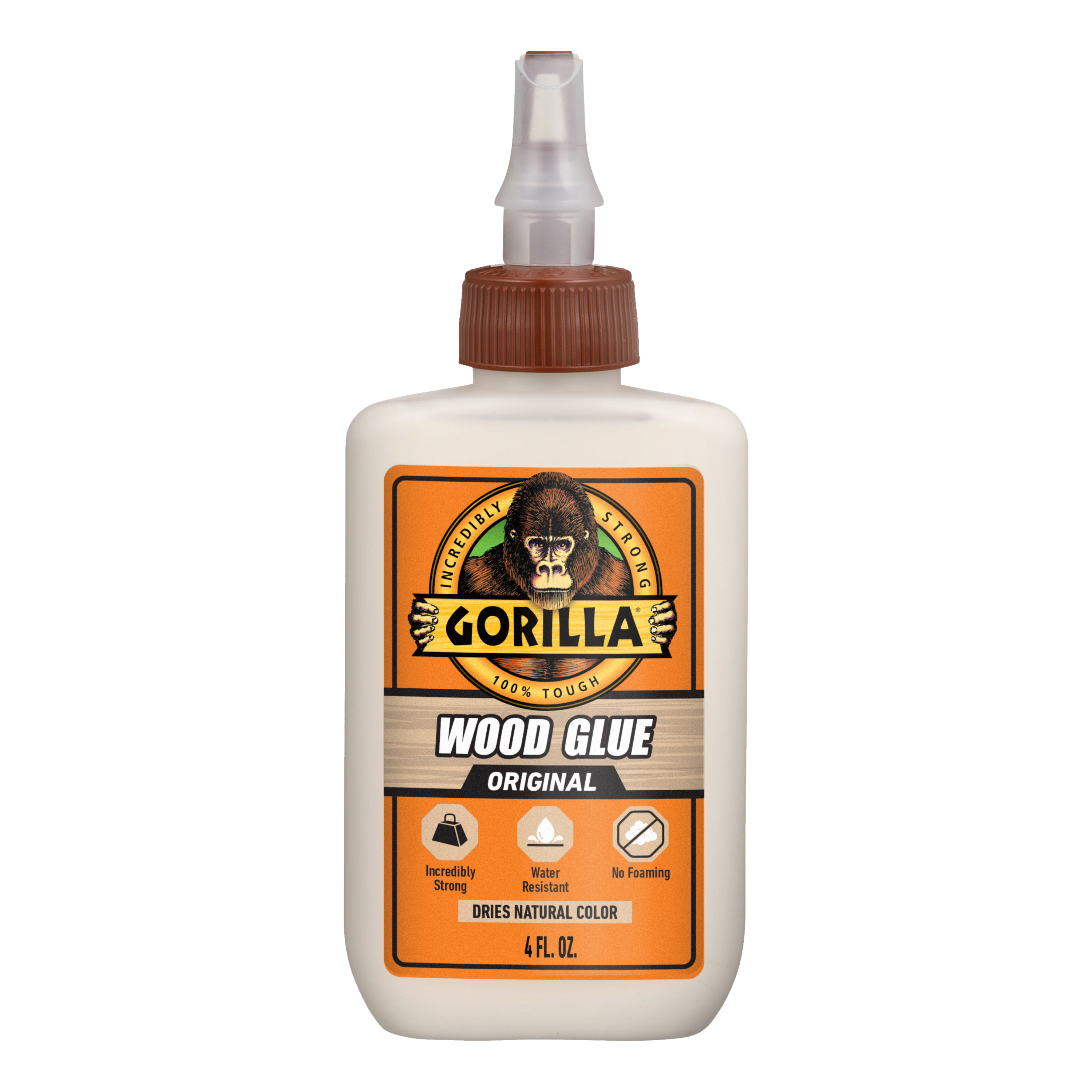
Gorilla Wood Glue
Gorilla Glue · PVA
Titebond Extend Wood Glue
Franklin International · aliphatic resin
Titebond Genuine Hide Glue
Franklin International · animal glue
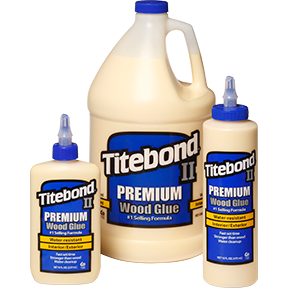
Titebond II Premium Wood Glue
Franklin International · aliphatic resin
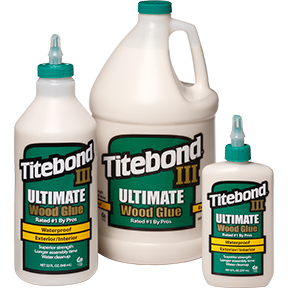
Titebond III Ultimate Wood Glue
Franklin International · aliphatic resin
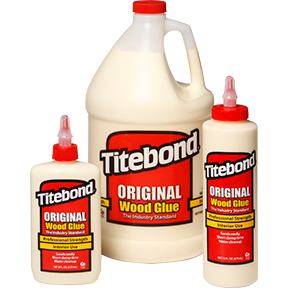
Titebond Original Wood Glue
Franklin International · aliphatic resin
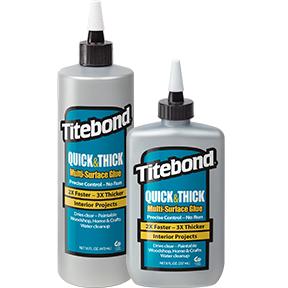
Titebond Quick & Thick Multi-Surface Glue
Franklin International · PVA
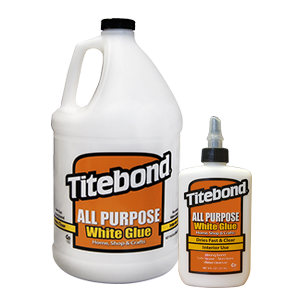
Titebond White Glue
Franklin International · PVA
How wood glue cure times change in real conditions
Wood glue cure time depends on both the adhesive chemistry and the wood itself. Dense hardwoods, sealed edges, cold shops, and high moisture content can keep a joint weak long after the label clamp time has passed.
Most wood glue data assumes roughly 70°F. In a cool garage, basement, or shed, the glue line can stay below the minimum film-forming range and cure much more slowly.
Water-based PVA and aliphatic resin glues usually slow down in high humidity because water has fewer places to evaporate. Very dry air can shorten open time and increase the risk of a starved joint.
Best uses for this calculator
- - Cabinetry, furniture repairs, trim assemblies, and ordinary woodworking joints.
- - Comparing clamp time, open time, and full cure time before sanding or loading a joint.
- - Checking cold-weather shop conditions before gluing up hardwood or sheet goods.
When to add extra safety margin
- - Clamp time is not the same as full cure time.
- - End grain, MDF edges, and oversized gaps often need special prep or a different adhesive.
- - Load-bearing furniture joints should be tested and allowed to cure longer than the minimum estimate.
Popular wood glue pages to check next
Product cure calculators
Is wood glue dry time the same as cure time?
No. Dry-to-handle and clamp times only mean the assembly can usually be moved carefully. Full cure is when the glue line has developed its intended strength.
Why does wood glue take longer in winter?
Lower temperature slows polymer film formation and water evaporation. A glue rated for 24 hours at room temperature may need much longer when the wood or air is cold.